The chemical climate of the average American is perfect for growing cancer because our bodies have become acid, and cancer loves low pH readings that indicate high acidity.
This was posted by Lapis on the Ask Moreless forum .. such a great article, that I had to post it here!Current Health Tipby Peter RagnarHow to Grow a Cancer Cell (by Changing Your Body’s pH)Oh, don’t worry, it’s not that hard to do.However, you’ll not be able to grow a cancer without first establishing the right chemical climate so it can flourish in your body. Back in 1900, only one person out of twenty-five did it. But today, like I said, growing a cancer cell is easy. So easy, in fact, that every other male in this country and every third female will do it during their lifetime.The chemical climate of the average American is perfect for growing cancer because our bodies have become acid, and cancer loves low pH readings that indicate high acidity. Consider, the national soft drink consumption per person is in excess of 38 gallons per year! It has been estimated that it would take 30 glasses of water with a pH of 10 to neutralize one can of soda. See why it’s so easy?And we’re not even taking into account all the acid-producing foods served by fast food restaurants, all the packaged, canned, and processed foods found in your local grocery store, or the air pollution caused by too many cars, trucks, and buses. And I’m not even including the harmful positive ions found in the average home. Let alone the acid rock music that seems to be blaring away everywhere you go!I’m simply talking about the stored acid wastes that you’ve accumulated in your organs, your glands, and even in the layers of your skin. And as they accumulate, your pH continues to change. When you understand pH, you’ll have a powerful tool that you can use to prevent a cancer climate.
The term pH stands for the hydrogen ion concentration of a solution. An ion is an atom or group of atoms that carries a positive or negative electrical charge. pH is simply the electrochemical effect we get when negative ions (alkaline-forming) and positive ions (acid-forming) interact with each other. Basically, this determines your life force energy.When you experience an alkaline reaction, your body has more energy and you’ll discover an alkaline residue in your urine if you test for it. Remember, any substances you put into your body will leave an alkaline or acid ash residue in the urine. If your urine is consistently giving you an acid reading, you’ll find it easy to grow cancer.Additionally, if at times you find yourself hyperventilating, it’s because of acidosis. Your body is attempting to remove carbon dioxide and carbonic acid. That’s what’s left from metabolizing food. As the amount of carbonic acid decreases, the pH increases. That means more energy and an alkaline pH reading from your urine. If your urine reads 7.0 or higher on the pH scale, you’re alkaline. Below that indicates an acid condition in which viruses thrive and cancer grows.People who are heavy meat eaters show higher acid readings. However, this doesn’t mean that vegetarians fare much better by filling themselves with cooked foods.A healthy inclusion of plenty of organic, raw veggies and fruits will help shift your body over to alkaline. However, bear in mind that your emotional swings also determine your pH balance.How do you test your pH? Simply by using litmus paper or nitrazine paper, found at your local drugstore. Take samples of your urine in a jar for a 24-hour period, then dip the strip of paper and compare the color against the chart. The reason for all the samples over a 24-hour period is to get an average reading rather than a random reading that may or may not be accurate. You can also record a series of random tests and average out the readings.Bear in mind, if you’re on an intense cleansing regime, the reactivated stores of acid will recirculate and be picked up by the kidneys to be excreted into the urine. So, you’ll get acid readings while the body is laboring to make itself more alkaline.Remember, what you eat and drink, as well as your lifestyle, plays a critical role in the pH balance of your body. The bottom line is, if you know how to avoid creating a climate for cancer, you’ll never grow a tumor.
Yours in Luminous Health and Natural Cures,
Peter RagnarMore Alkalising articles and recipes:
http://curezone.com/blogs/f.asp?f=722&t=47113
Ask Moreless pH acid/alkaline balancing forum:
http://curezone.com/forums/f.asp?f=740
Wednesday, September 20, 2006


Fruit Gardening Activities!
Since I am almost avoiding eating all fruit right now because I'm pretty sure that all our imported organic fruits are NOT ripened on the plant (making them acidic), I thought I'd better make a plan to grow more of my own!The last couple of days have had me digging away and buying more plants for the garden. I've had to thin out a lot of my flowering plants to acomodate.I bought minature (maximum height 1.5 metres) fruit trees! These trees can be planted in large pots and produce full size fruit. I bought 3 x apple, 1 x pear and 1 x peach. I was surprised but delighted to find the minature peach tree, apparently it's quite rare, and I got the last one.My blueberries and strawberries are coming on extremely well. All are covered in fruit! The raspberries, however, are not doing so well as my puppy loves peeing on them!My partner is going to start building me a very large cage/frame constructed with wood and chicken wire. It's going to be 8 foot high and I'll put all my fruiting plants in there so they'll be safe from the birds and my puppy! I'll transplant the raspberries under the frame.Just to take stock of what I'm currently growing:6 x Raspberry bushes - 3 x summer, 3 x autumn2 x Blackberry - 1 x summer, 1 x autumn3 x minature apple trees1 x minature pear tree1 x minature peach tree2 x blueberry bush trees1 x Gooseberry bushAround 60 x Strawberry plantsI managed to buy some organic grow bags, so have planted 3 cherry tomato plants, 1 marrow, 1 courgette and loads of rocket salad leaves.My chives are doing really well and so is the parsley.I'd been experimenting with mixing up mollases, kelp and hmalayan sea salt in water to use on my plants, but to be honest, I am unsure of the right mix. So I have managed to buy soil association pre-mixed organic, liquid fertilizer .. it says it's made from seaweed, so must be ok! So will use that.I'm not sure how much more I can fit in my garden but I always seems to be able to squeeze in a bit more. When I get rented plot, I'll do more vegetables.
More Alkalising articles and recipes:
http://curezone.com/blogs/f.asp?f=722&t=47113
Ask Moreless pH acid/alkaline balancing forum:
http://curezone.com/forums/f.asp?f=740
More Alkalising articles and recipes:
http://curezone.com/blogs/f.asp?f=722&t=47113
Ask Moreless pH acid/alkaline balancing forum:
http://curezone.com/forums/f.asp?f=740
Going Raw?
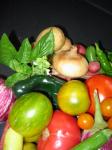 So, for the past 40 days or so I have added more and more raw foods.I have 6 large, glass sprout jars and a 3-tier sprout tray - each one at a different stage. There is now always fresh sprouts to eat. The kids love them too. (Rinsing and soaking keeps me and the distiller very busy!)I've been watching Alissa Cohen's 'Living on Live Food' DVD - it's very inspirational and has made me decide to try going 100% raw. Now, this will take a little bit of planning and I need to grab a scrap book and list all the recipes I like and can make in order to make this work. But I plan to go for it in around a month.I've decided to upgrade my juicer, because the Champion that I have won't juice grasses. I have ordered a Green Star/Hippocrates juicer. It's meant to be one of the best juicers out there.So, that means I will be starting to grow wheat grass too! I feel like I have a mini indoor garden!We also decided to get another water distiller. The Waterwise 4000 is fantastic, but with all my sprouting activities I am distilling all the time .. very time consuming. So we're going to put another Waterwise 4000 at my partners mum's house so double distilling will be taking place.Now, we're broke!Although I know there are pros and cons to dehydrators (plastic/teflon), I think in a month or so (when I've got some more money!) I will buy the excalibur. I think it will be helpful to have some staple items around if I'm going raw. I don't intend to use the dehyrator too much, but it will be useful for things such as flax crackers.I need to start that scrap book! PLUS I need to read the Raw blogs on Curezone or ideas.
More Alkalising articles and recipes:
http://curezone.com/blogs/f.asp?f=722&t=47113
Ask Moreless pH acid/alkaline balancing forum:
http://curezone.com/forums/f.asp?f=740
Biodynamic or Intuitive Gardening?
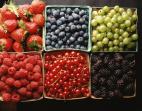 Today I bought a Victoria plum, Apple and Morello Cherry tree. All have some fruit already and stand around 6 feet high.I also bought a grape vine - it's tiny! I'm wondering if I'll get grapes at all, but I plan to plant it in the south facing side, so maybe .. one day!I have spent most of today digging in compost from my compost heap made of pruning clippings and grass cuttings over the years. The compost is excellent! Mulching is hard work, but satisfying. I'm sweaty even now.I managed to buy organic fish, bone and blood (powdered) and also some organic chicken manure pellets - all went into the mix.I moved all the raspberry plants into a semi shaded area as I have read they prefer that and have mulched them with old pine needles. I'm hoping for a good cop this year!As far as Biodynamic gardening - I'm now at a loss! I have my normal moon calender and now a biodynamic moon calender ... and they both differ!!According to Biodynamic methods, there are certain moon constellations best suited to fruit, leaf, root or flower planting and harvesting. And was Mercury in retrograde???? Who knows! LOL!I've decided for the time being that I will do intuitive gardening. (These Biodynamic books I have are making me dizzy). Pretty much everything I've grown has always gone to plan so why should I complicate my life by following certain rules when all works out anyway?!I have been adding a very diluted solution of blackstrap molasses, epsom salts and kelp to my plants as a feed once every few days. The strawberries are plumping up nicely and the blueberries have taken on their distinctive shape. There are loads of little peaches on the peach tree!I was just thinking this morning that the reason for my planting all these fruiting plants are linked with fear. It is almost impossible to know if something bought from a shop was rippened on the tree! So, it could mean almost all fruit bought is acidic and the only way to ensure alkaline fruit is to grow it myself.
I'll take some photos soon and show you the plants plus the half built cage!
Happy green fingers!
More Alkalising articles and recipes:
http://curezone.com/blogs/f.asp?f=722&t=47113
Ask Moreless pH acid/alkaline balancing forum:
http://curezone.com/forums/f.asp?f=740
Thursday, September 14, 2006
A Simple Background to Acids and Alkalis
A Simple Background to Acids and Alkalis
AcidsOne important group of chemicals is acids.Some common acids are –Hydrochloric AcidSulphuric AcidNitric AcidEthanoic AcidAcids are always used in the liquid form in the laboratory.There are many acids present in our everyday lives. Lemon juice contains citric acid, ant and nettle stings contain methanoic acid, tea contains tannic acid and vinegar contains ethanoic acid.You can easily tell if a substance is an acid or not by its’ effect on litmus, litmus is a purple dye which comes in the form of a solution or as strips of red and blue paper. Blue litmus paper is used for testing acids, if the paper or the solution turn red then the substance is an acid. Red litmus paper cannot be used as neutral solutions would keep the paper red aswell as acidic solutions.Acids have many properties that distinguish them from other substances.These are:Acids have a sour taste, e.g. the taste of vinegar ( ethanoic acid)Acids turn litmus solution red and turn blue litmus paper red alsoAcids have pH numbers less than 7Acids react with metals, forming hydrogen and a saltAcids react with carbonates, forming a salt, water and carbon dioxideAcids react with alkalis, forming a salt and waterAcids react with metal oxides, forming salt and waterRemember that:The salts of sulphuric acid are known as sulphatesThe salts of hydrochloric acid are known as chloridesThe salts of nitric acid are known as nitratesThere are different strengths of acids; some strong acids are hydrochloric acid, sulphuric acid and nitric acid. Some weak acids are ethanoic acid, citric acid and carbonic acid. This is all to do with the number of H+ ions formed in the solution.AlkalisAnother important group of chemicals are alkalis.Some common alkalis are –Sodium HydroxidePotassium HydroxideCalcium HydroxideAmmoniaThese are usually solid s but are used in aqueous solutions in the laboratory.Alkalis are present in many cleaning substances in use in our homes today, especially in kitchen cleaners like oven spray, floor cleaners and creams for sinks. Kitchen cleaners are alkaline because they contain ammonia or sodium hydroxide, which attack grease.You can easily figure out if a substance is alkaline by its’ effect on litmus solution or red litmus paper. Alkalis turn litmus solution blue and red litmus paper blue.Alkalis have many characteristics, which separate them from other chemicals.These are:Alkalis feel soapy to touchAlkalis turn litmus solution blue or turn red litmus paper blueAlkali solutions have pH numbers greater than 7All alkalis ( except ammonia) will react with ammonium compoundsAll alkalis react with acidsThere are different strengths of alkalis; this is to do with the formation of OH- ions in the solution. Some strong alkalis are calcium hydroxide, sodium hydroxide and potassium hydroxide. The most recognisable and common weak alkali is ammonia.The pH of Substances, Universal Indicator and Neutral SolutionsThere are many different strengths of acids and alkalis. The strengths of these are judged using the pH scale. The numbers range from 0 – 14.Click here to see a diagram:An acidic solution has a pH number less than 7, the lower the number the stronger the acid. An alkaline solution has a pH number greater than 7, the higher the number the stronger the alkali. A neutral solution has a pH number of exactly 7.You can find the pH of any solution by using universal indicator. Universal Indicator is a mixture of dyes, like litmus it can be used as a solution or as universal indicator paper. It goes a different colour at different pH values. It ranges from red (a strong acid) to a deep violet (a strong alkali). Universal indicator turns neutral solutions green.Neutral substances are those that are neither acid nor alkali. Some common neutral substances are:Sodium Chloride (common salt)Sugar SolutionNeutralisationAn alkali can neutralise an acid and destroy its’ acidity. In fact an acid can be neutralised by a number of compounds called bases. These are a few examples:Metal OxidesMetal HydroxidesMetal CarbonatesMetal Hydrogen CarbonatesAmmonia SolutionAny compound that can neutralise an acid is called a base. Alkalis are soluble bases. Neutralisation always produces a salt.Acid + Metal Oxide – Metal Salt + WaterAcid + Metal Hydroxide – Metal Salt + WaterAcid + Metal Carbonate – Metal Salt + Water + Carbon DioxideAcid + Metal Hydrogen Carbonate – Metal Salt + Water + Carbon DioxideAcid + Ammonia Solution – Ammonium Salt + WaterApplications of NeutralisationInsect Stings: Bee stings are acidic and can be neutralised with baking soda (bicarbonate of soda). Wasp stings are alkaline and can be treated with vinegar to neutralise.*Remember – Bee BycarbVee Vasp*Indigestion: Our stomach carries around hydrochloric acid. Too much of this leads to indigestion. Too cure indigestion, you can neutralise the excess acid with baking soda or specialised indigestion tablets.Soil Treatment: When soils are too acidic (often as a result of acid rain) they can be treated with slaked lime, chalk or quicklime, all alkalis. Plants and crops grow best in neutral soils.Factory Waste: Liquid waste from factories is often acidic. If it reaches a river it will destroy and kill sea life of many forms. Neutralising the waste with slaked lime can prevent this.
Junior Science Department: Loreto College, Coleraine.
http://www.lcc.ukf.net/KS3Chem/acidalkali.htm
AcidsOne important group of chemicals is acids.Some common acids are –Hydrochloric AcidSulphuric AcidNitric AcidEthanoic AcidAcids are always used in the liquid form in the laboratory.There are many acids present in our everyday lives. Lemon juice contains citric acid, ant and nettle stings contain methanoic acid, tea contains tannic acid and vinegar contains ethanoic acid.You can easily tell if a substance is an acid or not by its’ effect on litmus, litmus is a purple dye which comes in the form of a solution or as strips of red and blue paper. Blue litmus paper is used for testing acids, if the paper or the solution turn red then the substance is an acid. Red litmus paper cannot be used as neutral solutions would keep the paper red aswell as acidic solutions.Acids have many properties that distinguish them from other substances.These are:Acids have a sour taste, e.g. the taste of vinegar ( ethanoic acid)Acids turn litmus solution red and turn blue litmus paper red alsoAcids have pH numbers less than 7Acids react with metals, forming hydrogen and a saltAcids react with carbonates, forming a salt, water and carbon dioxideAcids react with alkalis, forming a salt and waterAcids react with metal oxides, forming salt and waterRemember that:The salts of sulphuric acid are known as sulphatesThe salts of hydrochloric acid are known as chloridesThe salts of nitric acid are known as nitratesThere are different strengths of acids; some strong acids are hydrochloric acid, sulphuric acid and nitric acid. Some weak acids are ethanoic acid, citric acid and carbonic acid. This is all to do with the number of H+ ions formed in the solution.AlkalisAnother important group of chemicals are alkalis.Some common alkalis are –Sodium HydroxidePotassium HydroxideCalcium HydroxideAmmoniaThese are usually solid s but are used in aqueous solutions in the laboratory.Alkalis are present in many cleaning substances in use in our homes today, especially in kitchen cleaners like oven spray, floor cleaners and creams for sinks. Kitchen cleaners are alkaline because they contain ammonia or sodium hydroxide, which attack grease.You can easily figure out if a substance is alkaline by its’ effect on litmus solution or red litmus paper. Alkalis turn litmus solution blue and red litmus paper blue.Alkalis have many characteristics, which separate them from other chemicals.These are:Alkalis feel soapy to touchAlkalis turn litmus solution blue or turn red litmus paper blueAlkali solutions have pH numbers greater than 7All alkalis ( except ammonia) will react with ammonium compoundsAll alkalis react with acidsThere are different strengths of alkalis; this is to do with the formation of OH- ions in the solution. Some strong alkalis are calcium hydroxide, sodium hydroxide and potassium hydroxide. The most recognisable and common weak alkali is ammonia.The pH of Substances, Universal Indicator and Neutral SolutionsThere are many different strengths of acids and alkalis. The strengths of these are judged using the pH scale. The numbers range from 0 – 14.Click here to see a diagram:An acidic solution has a pH number less than 7, the lower the number the stronger the acid. An alkaline solution has a pH number greater than 7, the higher the number the stronger the alkali. A neutral solution has a pH number of exactly 7.You can find the pH of any solution by using universal indicator. Universal Indicator is a mixture of dyes, like litmus it can be used as a solution or as universal indicator paper. It goes a different colour at different pH values. It ranges from red (a strong acid) to a deep violet (a strong alkali). Universal indicator turns neutral solutions green.Neutral substances are those that are neither acid nor alkali. Some common neutral substances are:Sodium Chloride (common salt)Sugar SolutionNeutralisationAn alkali can neutralise an acid and destroy its’ acidity. In fact an acid can be neutralised by a number of compounds called bases. These are a few examples:Metal OxidesMetal HydroxidesMetal CarbonatesMetal Hydrogen CarbonatesAmmonia SolutionAny compound that can neutralise an acid is called a base. Alkalis are soluble bases. Neutralisation always produces a salt.Acid + Metal Oxide – Metal Salt + WaterAcid + Metal Hydroxide – Metal Salt + WaterAcid + Metal Carbonate – Metal Salt + Water + Carbon DioxideAcid + Metal Hydrogen Carbonate – Metal Salt + Water + Carbon DioxideAcid + Ammonia Solution – Ammonium Salt + WaterApplications of NeutralisationInsect Stings: Bee stings are acidic and can be neutralised with baking soda (bicarbonate of soda). Wasp stings are alkaline and can be treated with vinegar to neutralise.*Remember – Bee BycarbVee Vasp*Indigestion: Our stomach carries around hydrochloric acid. Too much of this leads to indigestion. Too cure indigestion, you can neutralise the excess acid with baking soda or specialised indigestion tablets.Soil Treatment: When soils are too acidic (often as a result of acid rain) they can be treated with slaked lime, chalk or quicklime, all alkalis. Plants and crops grow best in neutral soils.Factory Waste: Liquid waste from factories is often acidic. If it reaches a river it will destroy and kill sea life of many forms. Neutralising the waste with slaked lime can prevent this.
Junior Science Department: Loreto College, Coleraine.
http://www.lcc.ukf.net/KS3Chem/acidalkali.htm
The *MORELESS* Alkalising drink!
This is an amazing power packed, mineral and nutrient dense drink that will not only help to alkalise you, but will give you loads of electrically charged energy! I've been drinking this 2-3 times a day and I am a firm believer!
This is an amazing power packed, mineral and nutrient dense drink that will not only help to alkalise you, but will give you loads of electrically charged energy! I've been drinking this 2-3 times a day and I am a firm believer!Ingredients:1. 1 tablespoon of blackstrap molasses (Unsulphured and ideally organic)2. Juice of half a lemon (OR 1 tablespoon apple cider vinegar if you can't take citrus)3. 1 tablespoon pickling lime water (= 1 tablespoon of pickling lime powder, aka calcium hydroxide, diluted in 1 gallon of distilled water) *see safety notes below*4. Small pinch of Epsom salts5. Norwegian kelp powder 1-2 teaspoons (depending on how brave you are!)6. 1 glass of distilled or alkaline mineral water (like Evian)The chemical reaction between the acid in the lemon juice and the alkaline minerals in the mollases releases energy into the body and makes the minerals more bioavailable.Method:*Dissolve the blackstrap molasses and epsom salts in warm water (leave to cool if desired)*Add 1 tablespoon of pickling lime water*Add the lemon or ACV (I sometimes add both)*Throw the kelp into back of throat (special note on the kelp! Most people find the taste absolutely vile because .... it is!!! - it may help to moisten it and your mouth first so you don't gag. Some people use a straw to bypass the taste. But this is an essential part of the drink and is packed with loads of minerals, so do what you can to get it down!)And drink!Now, the KEY ingredients are actually the blackstrap molasses and lemon juice/acv only, but all the other ingredients aid alkalising and add amazing minerals, so I do advise to add as much as you can.HEATH NOTES:*Please use organic where you can!*Blackstrap molasses must be unsulphured. I buy the Meridian brand which is also organic.*If using apple cider vinegar, I highly recommend the Braggs brand, which is organic and unpasteurised, so full of active enzymes. Otherwise, just find a good source of unpasteurosed ACV.*Pickling lime is normally found in the pickling/canning section of shops. Your alternative is to buy calcium hydroxide powder and put 1 tablespoon of the powder in 1 gallon of distilled water and use that as your pickling lime solution.*Buy food grade epsom salts.*Kelp is apparently purest from Norway, and it is better if it is finely powdered.*If you are very acidic, you can also add a pinch of epsom salts and a tablespoon of pickling lime to your normal glasses of water (the pickling lime provides calcium by the way).I've been happily drinking the above 2-3 times a day. I don't always add the kelp though. And it has a buzz to it!I'll add more later, but just wanted to stick this on the blog quickly!** SAFETY NOTES ON CALCIUM HYDROXIDE **CALCIUM HYDROXIDE (also known as - pickling lime/Ca(OH)2/slaked lime/biocalc/lime water etc.)In concentrated powdered form, this stuff is a skin, eye and respiratory irritant. It is CORROSIVE and causes burns. Should you be using this concentrated form to dilute with water before use, please protect yourself by wearing safety glasses, gloves and minimize your exposure to the dust itself.Remember, the drink asks for 1 tablespoon of the diluted lime water - you take 1 tablespoon og the powder and add it to a gallon of water. You do NOT add the powder directly to your drink!This powder is also incompatable with strong acids! So, the more acidic you are the smaller your dose should be! Start small and slow, and add more after checking your response. We are all unique, so someone else's ideal doseage may not be the same as yours.My suggestion is to make up your solution outdoors. This powder is very fine and fluffy, it'd be easy to accidently spill some on your kitchen or bathroom floor for unsuspecting kids and pets to walk on.More useful information found by Continuum Force about Cacium Hydroxide here: http://en.wikipedia.org/wiki/Calcium_hydroxide
"The following is as good a description of calcium hydroxide as I can find (albeit it relating to use in aquariums, but surely applicable when considering human consumption):"A preferred method of calcium supplementation comes in the form of calcium hydroxide, known as "kalkwasser" to reef aquarists. Calcium hydroxide has a chemical formula of Ca(OH)2, in other words, it supplies one Ca+2 ion for every two OH- ions. Calcium hydroxide can be mixed at approximately 2 teaspoons [5.7g Ca(OH)2] per gallon (or 1.5g/L) of filtered freshwater to attain approximately 800mg/L calcium solution to be dripped slowly into the reef aquarium. A beneficial side effect of using calcium hydroxide is that the OH- (hydroxide) ions maintain the pH of the aquarium by neutralizing acids present in the aquarium, thereby helping to maintain (but not build) the alkalinity in the aquarium. One could use pickling lime, which is also calcium hydroxide. Unfortunately, pickling lime tends to have visible amounts of impurities in it."
This is an amazing power packed, mineral and nutrient dense drink that will not only help to alkalise you, but will give you loads of electrically charged energy! I've been drinking this 2-3 times a day and I am a firm believer!Ingredients:1. 1 tablespoon of blackstrap molasses (Unsulphured and ideally organic)2. Juice of half a lemon (OR 1 tablespoon apple cider vinegar if you can't take citrus)3. 1 tablespoon pickling lime water (= 1 tablespoon of pickling lime powder, aka calcium hydroxide, diluted in 1 gallon of distilled water) *see safety notes below*4. Small pinch of Epsom salts5. Norwegian kelp powder 1-2 teaspoons (depending on how brave you are!)6. 1 glass of distilled or alkaline mineral water (like Evian)The chemical reaction between the acid in the lemon juice and the alkaline minerals in the mollases releases energy into the body and makes the minerals more bioavailable.Method:*Dissolve the blackstrap molasses and epsom salts in warm water (leave to cool if desired)*Add 1 tablespoon of pickling lime water*Add the lemon or ACV (I sometimes add both)*Throw the kelp into back of throat (special note on the kelp! Most people find the taste absolutely vile because .... it is!!! - it may help to moisten it and your mouth first so you don't gag. Some people use a straw to bypass the taste. But this is an essential part of the drink and is packed with loads of minerals, so do what you can to get it down!)And drink!Now, the KEY ingredients are actually the blackstrap molasses and lemon juice/acv only, but all the other ingredients aid alkalising and add amazing minerals, so I do advise to add as much as you can.HEATH NOTES:*Please use organic where you can!*Blackstrap molasses must be unsulphured. I buy the Meridian brand which is also organic.*If using apple cider vinegar, I highly recommend the Braggs brand, which is organic and unpasteurised, so full of active enzymes. Otherwise, just find a good source of unpasteurosed ACV.*Pickling lime is normally found in the pickling/canning section of shops. Your alternative is to buy calcium hydroxide powder and put 1 tablespoon of the powder in 1 gallon of distilled water and use that as your pickling lime solution.*Buy food grade epsom salts.*Kelp is apparently purest from Norway, and it is better if it is finely powdered.*If you are very acidic, you can also add a pinch of epsom salts and a tablespoon of pickling lime to your normal glasses of water (the pickling lime provides calcium by the way).I've been happily drinking the above 2-3 times a day. I don't always add the kelp though. And it has a buzz to it!I'll add more later, but just wanted to stick this on the blog quickly!** SAFETY NOTES ON CALCIUM HYDROXIDE **CALCIUM HYDROXIDE (also known as - pickling lime/Ca(OH)2/slaked lime/biocalc/lime water etc.)In concentrated powdered form, this stuff is a skin, eye and respiratory irritant. It is CORROSIVE and causes burns. Should you be using this concentrated form to dilute with water before use, please protect yourself by wearing safety glasses, gloves and minimize your exposure to the dust itself.Remember, the drink asks for 1 tablespoon of the diluted lime water - you take 1 tablespoon og the powder and add it to a gallon of water. You do NOT add the powder directly to your drink!This powder is also incompatable with strong acids! So, the more acidic you are the smaller your dose should be! Start small and slow, and add more after checking your response. We are all unique, so someone else's ideal doseage may not be the same as yours.My suggestion is to make up your solution outdoors. This powder is very fine and fluffy, it'd be easy to accidently spill some on your kitchen or bathroom floor for unsuspecting kids and pets to walk on.More useful information found by Continuum Force about Cacium Hydroxide here: http://en.wikipedia.org/wiki/Calcium_hydroxide
"The following is as good a description of calcium hydroxide as I can find (albeit it relating to use in aquariums, but surely applicable when considering human consumption):"A preferred method of calcium supplementation comes in the form of calcium hydroxide, known as "kalkwasser" to reef aquarists. Calcium hydroxide has a chemical formula of Ca(OH)2, in other words, it supplies one Ca+2 ion for every two OH- ions. Calcium hydroxide can be mixed at approximately 2 teaspoons [5.7g Ca(OH)2] per gallon (or 1.5g/L) of filtered freshwater to attain approximately 800mg/L calcium solution to be dripped slowly into the reef aquarium. A beneficial side effect of using calcium hydroxide is that the OH- (hydroxide) ions maintain the pH of the aquarium by neutralizing acids present in the aquarium, thereby helping to maintain (but not build) the alkalinity in the aquarium. One could use pickling lime, which is also calcium hydroxide. Unfortunately, pickling lime tends to have visible amounts of impurities in it."
Cacao- Is it a superfood, really?
 Let's investigate cacao, the love food.
I have been experimenting with cacao over the last few months. Hey, no doubt, including chocolate in a healthy diet is really appealing, yes? Is it a superfood as promoted by Mr.David Wolfe? While,I appreciate David's drive to educate people about raw food, I am not so sure he is correct in labeling cacao as a superfood.According to a documentary on chocolate, it is one of the, if not the most nutritionally complex foods around.
Yes, it has a lot of great nutrients, magnesium being the one that interested me the most. It also has neurotoxins as well. The first time I took it, I got an energy rush. I took some today and it made me feel sick and I felt it changed my brain chemistry in a negative way. For those of us that have neurotoxin overload, this may not be the smartest food choice. David even suggests that kids with ADHD should take this stuff. I say, I don't think so.
That is crazy.Many of the folks that are long-time raw foodists, do not like cacao and I can see why. I plan on researching this further. Perhaps, some can have it in moderation, however, I do not think it is a superfood. No way.Again, another problem with this industry. Anyone can say anything about a product and they get away with it. Also, this commodity can have serious fungal issues and even though Nature's First Law may take great caution, other companies may not. The average consumer will not have this knowledge and it leaves them vunerable to ingesting something that is promoted as a superfood, when in reality it may cause them more harm than good.
Outdoor Cooking: Stay on the Safe Side
(HealthDay News) -- For many Americans, Labor Day marks the grand finale to the outdoor cooking season. But an increasing number of people -- about half -- say they cook outdoors year round, says the U.S. Department of Agriculture.
But whether you're cooking under the warm September sun or during a February snowfall, you need to follow food-safety guidelines to prevent food-borne illness. The USDA offers this advice:
· When you buy meat and poultry, take it directly home from the supermarket. When you get home, refrigerate it immediately. Poultry or ground meat that won't be used within one or two days should be frozen. Other meat should be frozen within four to five days.
· Meat and poultry should be completely defrosted before it's grilled so that it cooks evenly. Use the refrigerator for slow, safe thawing or thaw sealed packages of meat and poultry in cold water. You can use a microwave to defrost meat and poultry if the meat will be placed immediately on the grill.
· When you marinate meat and poultry, do it in the refrigerator, not on the kitchen counter. If you plan to use some of the marinade as a sauce, set aside a portion of the marinade before you put raw meat or poultry in it. If you plan to re-use marinade that's been used on meat or poultry, boil the marinade to destroy any harmful bacteria.
· When you're transporting food, make sure to use an insulated cooler with enough ice or ice packs to keep the food at 40 degrees Fahrenheit or cooler. Pack food directly from the refrigerator into the cooler just before you leave home.
· When using a cooler, keep it out of direct sunlight. Avoid opening the lid too often. Pack beverages in one cooler and perishable food in another cooler.
· Meat and poultry must be kept refrigerated until it's ready to cook. Only take out amounts that will immediately be placed on the grill.
· Have a good supply of clean utensils and platters. Don't use the same platter and utensils for raw and cooked meat and poultry. Harmful bacteria in raw meat and poultry can contaminate cooked food.
· If you're away from home, find out if there's a source of clean water. If not, bring water from home for food preparation and cleaning. Or pack clean cloths and wet towelettes for cleaning surfaces and hands.
· You can partially pre-cook food in a microwave, oven or stove to reduce grilling time. But be sure the food goes immediately on the preheated grill to complete cooking.
· Meat and poultry needs to be cooked to a minimum internal temperature to kill harmful bacteria. Use a food thermometer to check. Beef, veal, lamb steaks, roasts and chops should be at least 145 degrees F. Hamburgers made of ground beef and all cuts of pork should be 160 degrees F. All poultry should be 165 degrees F. Never partially grill meat or poultry and finish cooking later.
· When reheating fully cooked meats, such as hot dogs, grill to 165 degrees Fahrenheit or until steaming hot.
· Keep hot food hot -- at least 140 degrees Fahrenheit or more -- until it's served.
· Leftovers should be promptly refrigerated. Throw out any food left out longer than two hours (one hour if the temperature is above 90 degrees Fahrenheit).
The USDA also offers advice on different cooking methods:
· Smoking. This refers to cooking food indirectly in the presence of fire. It can be done in a covered grill if a pan of water is placed beneath the meat on the grill or in an outdoor cooker especially designed for smoking foods. The temperature in a smoker should be kept at 250 degrees F to 300 degrees F. Use a food thermometer to be sure the food has reached a safe internal temperature.
· Pit roasting. This method involves cooking meat in a large, level hole in the earth. A hardwood fire is built in the pit and burns (about four to six hours) until the pit is half filled with hot coals. Cooking may require 10 to 12 hours. A food thermometer must be used to check the meat. Pit roasting is affected by many variables such as outdoor temperature, the size and thickness of the meat, and the amount of heat being generated by the coals.
Some studies have suggested a link between cancer and foods cooked by high-heat methods such as grilling, frying and broiling. Based on currently available research, eating moderate amounts of grilled meats that are cooked -- without charring -- to a safe temperature does not pose a problem, according to the USDA.
You can prevent charring by removing visible fat that can cause a flare-up on the grill. Pre-cook meat in the microwave immediately before placing it on the grill. This will reduce the amount of juice that drops on the grill. Cook food in the center of the grill and move coals to the side to prevent fat and juices from dripping on them. Cut charred areas off cooked meat.
More information
The U.S. Food and Drug Administration offer more outdoor eating food safety tips.
But whether you're cooking under the warm September sun or during a February snowfall, you need to follow food-safety guidelines to prevent food-borne illness. The USDA offers this advice:
· When you buy meat and poultry, take it directly home from the supermarket. When you get home, refrigerate it immediately. Poultry or ground meat that won't be used within one or two days should be frozen. Other meat should be frozen within four to five days.
· Meat and poultry should be completely defrosted before it's grilled so that it cooks evenly. Use the refrigerator for slow, safe thawing or thaw sealed packages of meat and poultry in cold water. You can use a microwave to defrost meat and poultry if the meat will be placed immediately on the grill.
· When you marinate meat and poultry, do it in the refrigerator, not on the kitchen counter. If you plan to use some of the marinade as a sauce, set aside a portion of the marinade before you put raw meat or poultry in it. If you plan to re-use marinade that's been used on meat or poultry, boil the marinade to destroy any harmful bacteria.
· When you're transporting food, make sure to use an insulated cooler with enough ice or ice packs to keep the food at 40 degrees Fahrenheit or cooler. Pack food directly from the refrigerator into the cooler just before you leave home.
· When using a cooler, keep it out of direct sunlight. Avoid opening the lid too often. Pack beverages in one cooler and perishable food in another cooler.
· Meat and poultry must be kept refrigerated until it's ready to cook. Only take out amounts that will immediately be placed on the grill.
· Have a good supply of clean utensils and platters. Don't use the same platter and utensils for raw and cooked meat and poultry. Harmful bacteria in raw meat and poultry can contaminate cooked food.
· If you're away from home, find out if there's a source of clean water. If not, bring water from home for food preparation and cleaning. Or pack clean cloths and wet towelettes for cleaning surfaces and hands.
· You can partially pre-cook food in a microwave, oven or stove to reduce grilling time. But be sure the food goes immediately on the preheated grill to complete cooking.
· Meat and poultry needs to be cooked to a minimum internal temperature to kill harmful bacteria. Use a food thermometer to check. Beef, veal, lamb steaks, roasts and chops should be at least 145 degrees F. Hamburgers made of ground beef and all cuts of pork should be 160 degrees F. All poultry should be 165 degrees F. Never partially grill meat or poultry and finish cooking later.
· When reheating fully cooked meats, such as hot dogs, grill to 165 degrees Fahrenheit or until steaming hot.
· Keep hot food hot -- at least 140 degrees Fahrenheit or more -- until it's served.
· Leftovers should be promptly refrigerated. Throw out any food left out longer than two hours (one hour if the temperature is above 90 degrees Fahrenheit).
The USDA also offers advice on different cooking methods:
· Smoking. This refers to cooking food indirectly in the presence of fire. It can be done in a covered grill if a pan of water is placed beneath the meat on the grill or in an outdoor cooker especially designed for smoking foods. The temperature in a smoker should be kept at 250 degrees F to 300 degrees F. Use a food thermometer to be sure the food has reached a safe internal temperature.
· Pit roasting. This method involves cooking meat in a large, level hole in the earth. A hardwood fire is built in the pit and burns (about four to six hours) until the pit is half filled with hot coals. Cooking may require 10 to 12 hours. A food thermometer must be used to check the meat. Pit roasting is affected by many variables such as outdoor temperature, the size and thickness of the meat, and the amount of heat being generated by the coals.
Some studies have suggested a link between cancer and foods cooked by high-heat methods such as grilling, frying and broiling. Based on currently available research, eating moderate amounts of grilled meats that are cooked -- without charring -- to a safe temperature does not pose a problem, according to the USDA.
You can prevent charring by removing visible fat that can cause a flare-up on the grill. Pre-cook meat in the microwave immediately before placing it on the grill. This will reduce the amount of juice that drops on the grill. Cook food in the center of the grill and move coals to the side to prevent fat and juices from dripping on them. Cut charred areas off cooked meat.
More information
The U.S. Food and Drug Administration offer more outdoor eating food safety tips.
Tuesday, September 05, 2006
Why Raw Food Is Healthy
Why raw food is healthy
Susan Clark
Olive cream with hoummos, vegetable chips, zingy tomato
salad and almond cookies all sound delicious. They are
also part of a menu which is not only organic but entirely
raw.
The recipes have been designed to prove to sceptics that
you need not cook food to enjoy it. The food will be
served at an event organised by the Fresh (Fruitarian Raw
Energy Support & Help) Network, a former charity that is
now a commercial organisation. It was set up in 1992 to
help people to make the transition from a normal diet to
one where none of the food is cooked.
This may sound cranky but the Raw Fooders swear that
the benefits of eating uncooked foods, which include
feeling younger and having more energy, clearer skin and
an untroubled digestion, far outweigh the perceived
disadvantages.
Karen Knowler, 27, is the coordinator of the Fresh
Network and the co-author of a new book on the subject,
Feel-Good Food: A Guide To Intuitive Eating. Over
the past decade, she has gradually converted from a junk
food diet to a 100 per cent raw food regimen, and says
she has never felt so well.
Karen, who once worked parttime in her stepfather's
butchers' shop, admits she could never have imagined that
she would turn her back first on meat, to become
vegetarian, and then on dairy products to become a
vegan. Even less likely, she says, was that as a fully
fledged member of what she calls the Burger Generation
she would develop a preference for raw food over
anything cooked.
"My diet used to be appalling," she says. "I refused to
accept that there was any link between what I ate and my
health, and it was only when I stopped eating dairy and
realised that I was no longer blowing my nose every
morning that I saw how there is a direct link between the
two." (Dairy products are notorious for producing more
mucus in the body - not the lubricating mucus that protects
surfaces such as the lining of the digestive tract, but a
mucus formed when minuscule waste deposits of protein
swell up with water.)
Karen also believes her diet helped to reverse
pre-cancerous changes to the cells of her cervix that were
detected during a smear test. She asked the doctors to
give her three months to try out her own health solution,
which included a 100 per cent raw diet, wheatgrass juice
and a visualisation technique whereby she imagined a
healthy cervix. When she returned for a repeat cervical
smear, the cells had reverted to normal.
It is true that many people who have become Raw
Fooders did so as a last resort, looking for an end to the
symptoms of conditions including cancer, candida, chronic
fatigue and allergies. They know that they are likely to be
regarded as cranks. "Nobody, Karen acknowledges,
"wants to give up their steak and chips unless they have
to." In any case, the point of a raw food diet is not to feel
alienated from your family and friends or to become a
freak, but to benefit from the live enzymes that help the
body to digest what you eat. These are destroyed by
cooking, refining and over-processing, and the body has
to work harder to produce more of its own.
Research as long ago as the 1930s suggested that, when
cooked food is ingested, the immune system sends armies
of white blood cells to the digestive tract to fight what it
perceives to be a threat. This does not happen when you
eat raw food since the body perceives this as natural.One
of the biggest reservations about giving up cooked food in
the predominantly cold, damp British climate is that it is
hard to imagine surviving a winter without the comfort of a
warm soup or hot chocolate. Karen dreaded her first
winter as a 100 per cent Raw Fooder, but survived by
telling herself she would eat something warm and cooked
if her body really craved it. This never happened.
Listening to your body - what Karen calls Intuitive Eating
- is the key to making the transition from mostly cooked
to mostly raw food, but that does not mean giving in to
every craving for chocolate or caffeine. Those cravings
are not a sign that you are in tune with your body, but that
you have become addicted to their stimulative effects.
Karen has no formal qualification in nutrition or health but
learnt about her own health by listening to her body and
responding to its messages, which became stronger as she
cut back on cooked food: "I wanted more freedom, not
less, and a raw food diet has done that for me. I enjoy
everything I eat so much more and I want people to
realise that the best nutrition expert they can have is their
own body."
Another champion of more raw or living food in your diet
is the respected American-trained and London-based
nutritionist Dr Gillian McKeith, who draws on many
disciplines, including Chinese medicine, in her work. She
encourages people to increase the amount of raw food in
their diet but argues that you have to find the right balance.
The author of a new book called Dr Gillian McKeith's
Living Food For Health, which shows how to achieve
that balance, she believes that for many people in this
country a 100 per cent raw diet is not a healthy option: "It
is fine in the summer, but it will only make most people
even more miserable in the winter."
The solution, she says, is to mix warmed food with raw
foods. A perfect example is her own breakfast, which
might be a warmed apple and pear purée with raw
raspberries, which support the kidneys, scattered through
it. If you want soup you can have it, she says. You will
destroy the live enzymes in the vegetables you cook, but
you can put them back by sprinkling the soup with raw
broccoli and sprouted seeds.
Sprouts - the seeds of foods such as mung beans, aduki
beans, alfalfa, radish, rye and millet - are all packed with
live enzymes and energy-giving nutrients. According to Dr
McKeith, when the US military commissioned food
scientists to come up with a protein alternative to meat
and dairy products during the Second World War,
sprouts were voted the best substitute.
She says: "The secret is to place the hot or warmed food
on top of the cold dish so that the heat filters down. For
example, cook your rice and place it on top of the raw
vegetables. Also, find out which herbs, such as basil and
parsley, have a warming action on the body and include
those in your diet."
The Government's Food Standards Agency recommends
at least five portions of fruit and vegetables in your diet
every day. It does not take a stand on the raw versus
cooked debate but it does acknowledge that most people
find it hard to meet even these minimum targets.
The Fresh Network's guidelines for stepping up the raw
food content of a normal diet, especially during the
transitional process from cooked to raw foods, include:
Eating side salads with every main course, hot or cold.
Eating fruit for breakfast instead of cereals or bacon
and eggs.
Eating fruit, nuts and seeds whenever you want a
between-meals snack.
Getting into the habit of juicing raw fruits and
vegetables. For example, it takes about 16 medium
carrots to make half a tumbler of carrot juice - evidence
that juicing really is a good way to increase the raw food
content of your diet without giving yourself an aching jaw.
Remind yourself that you are improving your eating
habits and not going on a diet. Eating more raw food is
not about penance.
Dr McKeith recommends mixing warmed with cold,
raw food, especially in the winter. She says we need to
aim for two portions (a portion is the equivalent of a tea
cup) of sprouted seeds every day to benefit from the live
enzymes that will help with digestion.
Susan Clark
Susan Clark
Olive cream with hoummos, vegetable chips, zingy tomato
salad and almond cookies all sound delicious. They are
also part of a menu which is not only organic but entirely
raw.
The recipes have been designed to prove to sceptics that
you need not cook food to enjoy it. The food will be
served at an event organised by the Fresh (Fruitarian Raw
Energy Support & Help) Network, a former charity that is
now a commercial organisation. It was set up in 1992 to
help people to make the transition from a normal diet to
one where none of the food is cooked.
This may sound cranky but the Raw Fooders swear that
the benefits of eating uncooked foods, which include
feeling younger and having more energy, clearer skin and
an untroubled digestion, far outweigh the perceived
disadvantages.
Karen Knowler, 27, is the coordinator of the Fresh
Network and the co-author of a new book on the subject,
Feel-Good Food: A Guide To Intuitive Eating. Over
the past decade, she has gradually converted from a junk
food diet to a 100 per cent raw food regimen, and says
she has never felt so well.
Karen, who once worked parttime in her stepfather's
butchers' shop, admits she could never have imagined that
she would turn her back first on meat, to become
vegetarian, and then on dairy products to become a
vegan. Even less likely, she says, was that as a fully
fledged member of what she calls the Burger Generation
she would develop a preference for raw food over
anything cooked.
"My diet used to be appalling," she says. "I refused to
accept that there was any link between what I ate and my
health, and it was only when I stopped eating dairy and
realised that I was no longer blowing my nose every
morning that I saw how there is a direct link between the
two." (Dairy products are notorious for producing more
mucus in the body - not the lubricating mucus that protects
surfaces such as the lining of the digestive tract, but a
mucus formed when minuscule waste deposits of protein
swell up with water.)
Karen also believes her diet helped to reverse
pre-cancerous changes to the cells of her cervix that were
detected during a smear test. She asked the doctors to
give her three months to try out her own health solution,
which included a 100 per cent raw diet, wheatgrass juice
and a visualisation technique whereby she imagined a
healthy cervix. When she returned for a repeat cervical
smear, the cells had reverted to normal.
It is true that many people who have become Raw
Fooders did so as a last resort, looking for an end to the
symptoms of conditions including cancer, candida, chronic
fatigue and allergies. They know that they are likely to be
regarded as cranks. "Nobody, Karen acknowledges,
"wants to give up their steak and chips unless they have
to." In any case, the point of a raw food diet is not to feel
alienated from your family and friends or to become a
freak, but to benefit from the live enzymes that help the
body to digest what you eat. These are destroyed by
cooking, refining and over-processing, and the body has
to work harder to produce more of its own.
Research as long ago as the 1930s suggested that, when
cooked food is ingested, the immune system sends armies
of white blood cells to the digestive tract to fight what it
perceives to be a threat. This does not happen when you
eat raw food since the body perceives this as natural.One
of the biggest reservations about giving up cooked food in
the predominantly cold, damp British climate is that it is
hard to imagine surviving a winter without the comfort of a
warm soup or hot chocolate. Karen dreaded her first
winter as a 100 per cent Raw Fooder, but survived by
telling herself she would eat something warm and cooked
if her body really craved it. This never happened.
Listening to your body - what Karen calls Intuitive Eating
- is the key to making the transition from mostly cooked
to mostly raw food, but that does not mean giving in to
every craving for chocolate or caffeine. Those cravings
are not a sign that you are in tune with your body, but that
you have become addicted to their stimulative effects.
Karen has no formal qualification in nutrition or health but
learnt about her own health by listening to her body and
responding to its messages, which became stronger as she
cut back on cooked food: "I wanted more freedom, not
less, and a raw food diet has done that for me. I enjoy
everything I eat so much more and I want people to
realise that the best nutrition expert they can have is their
own body."
Another champion of more raw or living food in your diet
is the respected American-trained and London-based
nutritionist Dr Gillian McKeith, who draws on many
disciplines, including Chinese medicine, in her work. She
encourages people to increase the amount of raw food in
their diet but argues that you have to find the right balance.
The author of a new book called Dr Gillian McKeith's
Living Food For Health, which shows how to achieve
that balance, she believes that for many people in this
country a 100 per cent raw diet is not a healthy option: "It
is fine in the summer, but it will only make most people
even more miserable in the winter."
The solution, she says, is to mix warmed food with raw
foods. A perfect example is her own breakfast, which
might be a warmed apple and pear purée with raw
raspberries, which support the kidneys, scattered through
it. If you want soup you can have it, she says. You will
destroy the live enzymes in the vegetables you cook, but
you can put them back by sprinkling the soup with raw
broccoli and sprouted seeds.
Sprouts - the seeds of foods such as mung beans, aduki
beans, alfalfa, radish, rye and millet - are all packed with
live enzymes and energy-giving nutrients. According to Dr
McKeith, when the US military commissioned food
scientists to come up with a protein alternative to meat
and dairy products during the Second World War,
sprouts were voted the best substitute.
She says: "The secret is to place the hot or warmed food
on top of the cold dish so that the heat filters down. For
example, cook your rice and place it on top of the raw
vegetables. Also, find out which herbs, such as basil and
parsley, have a warming action on the body and include
those in your diet."
The Government's Food Standards Agency recommends
at least five portions of fruit and vegetables in your diet
every day. It does not take a stand on the raw versus
cooked debate but it does acknowledge that most people
find it hard to meet even these minimum targets.
The Fresh Network's guidelines for stepping up the raw
food content of a normal diet, especially during the
transitional process from cooked to raw foods, include:
Eating side salads with every main course, hot or cold.
Eating fruit for breakfast instead of cereals or bacon
and eggs.
Eating fruit, nuts and seeds whenever you want a
between-meals snack.
Getting into the habit of juicing raw fruits and
vegetables. For example, it takes about 16 medium
carrots to make half a tumbler of carrot juice - evidence
that juicing really is a good way to increase the raw food
content of your diet without giving yourself an aching jaw.
Remind yourself that you are improving your eating
habits and not going on a diet. Eating more raw food is
not about penance.
Dr McKeith recommends mixing warmed with cold,
raw food, especially in the winter. She says we need to
aim for two portions (a portion is the equivalent of a tea
cup) of sprouted seeds every day to benefit from the live
enzymes that will help with digestion.
Susan Clark
Bet Your Health on Raw
Bet your healthon raw foodPosted: 6:17 PM (Manila Time) Jun. 28, 2003By Eckard RempeInquirer News ServiceGift
MY JOURNEY into raw, living foods started a few days before Christmas 1993. I found a gift from my accountant on my office table, a book entitled "Why Christians Get Sick."
"Well," I argued in my mind, "why should we Christians not get sick like anybody else? Why do we always think we are better than others?"I viewed the book with reluctance and suspicion. Not exactly my kind of reading. Little did I know that my life, and the lives of the people very close to me, would be changed by it forever.
The morning after an enjoyable New Year's Eve meal at a friend's house, we departed for a few days at the beach. I threw the book into my travel bag, intending to read a few pages here and there in case my accountant asked me how I liked her gift.As soon as I read the first paragraph, I was jolted into a different mindset. I was unable to put the book down. By that afternoon, I was a changed person.My journey had started-a journey that initially brought pain, uncertainty and frustrations into my life. My relationships were put to the test, family ties were strained, friendships questioned, lifelong habits broken, religious beliefs challenged-and all because I had decided to become a raw vegetarian.Vegetarianism would not have raised anyone's eyebrows, but eating only raw food certainly would, especially since this was simply unheard of in the early 1990s.Giving up my German sausages, cold cuts, pork chops, pig-knuckles, potatoes and cakes, not to mention beer and wine, was initially unthinkable. And yet, from the moment that I made the decision, I have stayed the course.
Eating my favorite "healthy" breakfast grain or fruit muesli was suddenly a no-no, as were my fried or scrambled eggs in the morning. Even potatoes and rice were no good.What exactly was it that made me shift to a radically different lifestyle?"Raw" refers to all unprocessed fruits, sprouted seeds, vegetables, and nuts. I personally like the term "sunfood" better than "raw food" because it implies that the food is totally natural and has that all-important ingredient in it, "life-force energy." Bury an apple into Mother Earth and out comes an apple tree. But when the apple is cooked in a microwave oven, nothing comes out. The life force has been destroyed. Do we need to say more?
The same thing happens to processed or cooked foods: their key elements or enzymes are destroyed. Thus, our bodies no longer get maximum support for digestion and numerous other functions.In other words, food that is cooked is chemically altered and is no longer capable of providing the energy, vitamins and nutrients needed to sustain or provide superior health. What it actually does is set us up for disease, dehydration, malnutrition and premature aging.Only plant-based foods in their raw state contain the enzymes and life-giving chlorophyll that provide the building blocks for vibrant health and vitality.In fact, no other species on our planet eats by destroying its food first in the deadly forces of fire and heat. Only humans do. Now, just because it has been done for a long time does not necessarily mean it is right
.http://www.inq7.net/lif/2003/jun/29/lif_5-1.htm
MY JOURNEY into raw, living foods started a few days before Christmas 1993. I found a gift from my accountant on my office table, a book entitled "Why Christians Get Sick."
"Well," I argued in my mind, "why should we Christians not get sick like anybody else? Why do we always think we are better than others?"I viewed the book with reluctance and suspicion. Not exactly my kind of reading. Little did I know that my life, and the lives of the people very close to me, would be changed by it forever.
The morning after an enjoyable New Year's Eve meal at a friend's house, we departed for a few days at the beach. I threw the book into my travel bag, intending to read a few pages here and there in case my accountant asked me how I liked her gift.As soon as I read the first paragraph, I was jolted into a different mindset. I was unable to put the book down. By that afternoon, I was a changed person.My journey had started-a journey that initially brought pain, uncertainty and frustrations into my life. My relationships were put to the test, family ties were strained, friendships questioned, lifelong habits broken, religious beliefs challenged-and all because I had decided to become a raw vegetarian.Vegetarianism would not have raised anyone's eyebrows, but eating only raw food certainly would, especially since this was simply unheard of in the early 1990s.Giving up my German sausages, cold cuts, pork chops, pig-knuckles, potatoes and cakes, not to mention beer and wine, was initially unthinkable. And yet, from the moment that I made the decision, I have stayed the course.
Eating my favorite "healthy" breakfast grain or fruit muesli was suddenly a no-no, as were my fried or scrambled eggs in the morning. Even potatoes and rice were no good.What exactly was it that made me shift to a radically different lifestyle?"Raw" refers to all unprocessed fruits, sprouted seeds, vegetables, and nuts. I personally like the term "sunfood" better than "raw food" because it implies that the food is totally natural and has that all-important ingredient in it, "life-force energy." Bury an apple into Mother Earth and out comes an apple tree. But when the apple is cooked in a microwave oven, nothing comes out. The life force has been destroyed. Do we need to say more?
The same thing happens to processed or cooked foods: their key elements or enzymes are destroyed. Thus, our bodies no longer get maximum support for digestion and numerous other functions.In other words, food that is cooked is chemically altered and is no longer capable of providing the energy, vitamins and nutrients needed to sustain or provide superior health. What it actually does is set us up for disease, dehydration, malnutrition and premature aging.Only plant-based foods in their raw state contain the enzymes and life-giving chlorophyll that provide the building blocks for vibrant health and vitality.In fact, no other species on our planet eats by destroying its food first in the deadly forces of fire and heat. Only humans do. Now, just because it has been done for a long time does not necessarily mean it is right
.http://www.inq7.net/lif/2003/jun/29/lif_5-1.htm
Epstein-Barr Cured: Raw Food
 NO MORE "EPSTEIN-BARR! by Angela Fischetti
Living Nutrition Magazine vol. 7
Three years ago, at age 38, I was diagnosed with "Epstein-Barr Virus." I had been complaining for many months to my primary care physician of profoundly debilitating fatigue.
On one occasion I sank to the floor because I couldn't hold my body up; I crawled to a chair to stand.I was put through a battery of tests and saw a number of specialists, particularly in the "infectious disease" field, but was dismissed by them as they were overwhelmed with that other so-called virus, HIV.
It was my gynecologist who suggested I had "Epstein-Barr Virus" and her blood work proved "positive," so I did indeed believe that a "virus" was the cause of my illness.
I resolved that I wouldn't let this get me down.
My workouts went on as usual, but with adjustments for my fatigue level. When I slogged around Prospect Park in Brooklyn I visualized the "virus" leaving me through my sweat; when I lifted weights I visualized my muscles getting stronger. I hired a massage therapist and took many supplements to "boost my immune system." I explained to friends and family that naps were now a necessity, and when that overwhelming fatigue hit, I went to bed.
This was a period of transition for me from vegetarian to vegan. Prior to that I ate the "SAD" way, with an incredible emphasis on sugar. My health history includes bulimia and anorexia and compulsive overeating. I could down an entire Entenmann's cake-- the low-fat version, of course--with the best of them.
July of 1998 brought me to my raw food path. One day I was channel surfing and "by accident" I landed on a show called "Accent On Wellness." The show's host, Matthew Grace, is a personal fitness trainer, too and I was stopped "live in my tracks" as this was the first time I ever heard someone in my profession speak about exercise and vegetarianism. No protein shakes, powders, bars, supplements--just raw food. Although I'd never heard of raw-foodism, I was eating one to one and a half raw meals a day. I watched the show regularly, called the producer Ed Lieb with many questions, gave up my vitamin and herbal supplements, and by mid-February 1999 I was 100% raw and have been ever since.
I also learned that so-called "viruses" do not cause fatigue or illness--they are simply a sign of cellular damage stemming from unhealthful dietary and living habits, and the damage is repaired as the body detoxifies and rejuvenates.Since I've been a raw-foodist, I have not experienced one outbreak of the so-called "Epstein-Barr Virus" symptoms.
My energy is much heightened, and it's been a quietly fascinating journey to listen to my body.
It's not easy, especially with my emotional issues around food, but for support, I attend weekly CoHR (Coalition for Health Re-education) meetings in Manhattan, e-mail other raw-foodists, read a lot, make phone calls, eat at Caravan of Dreams, attend lectures and seminars, and have even started giving my own workshops on exercise and overcoming osteoporosis/arthritis emphasizing raw-foodism as the nutritional component.
Through raw-foodism I am learning to listen to my intuitive voice. I am humbled by and grateful for this and enjoy sharing my story with others.*
Angela Fischetti resides in Park Slope, Brooklyn with her 5 raw cats (No more allergies, either!). Angela is a personal fitness trainer and can be contacted at (718) 783-4356, and is also available as an on-line consultant at AFfitness@aol.com.
Through raw-foodism I am learning to listen to my intuitive voice. I am humbled by and grateful for this and enjoy sharing my story with others.*
Angela Fischetti resides in Park Slope, Brooklyn with her 5 raw cats (No more allergies, either!). Angela is a personal fitness trainer and can be contacted at (718) 783-4356, and is also available as an on-line consultant at AFfitness@aol.com.
Colitis Cured: Raw Food
My Story
by Paul NisonFrom Living Nutrition vol. 5Up until I was 19 years old, I ate the SAD diet (standard American diet). Then I received my wake-up call. I was diagnosed with ulcerative colitis. Most people would consider this a tragedy in their life. I think of this as one of the best things that ever happened to me!I don’t know how many people know about ulcerative colitis, but it is not an easy illness to live with. The colon is achey and painful with inflammation, ulcerations and sometimes bleeding, and this is accompanied by spasmodic and frequent bowel movements. The typically poor diets, increased bowel movements, decreased assimilation, and drug therapies all add up to malnutrition and decreasing vitality, not to mention misery and a ruined life.I would get colitis flare ups about six times per year. Each time I’d go to the doctor and she’d tell me to stay away from dairy foods until I felt better, and she’d increase the dosage of steroids. When I would feel better in a few weeks, she would say it was ok to eat dairy foods again. So I would go out and eat as much dairy as possible and sometimes a whole pizza pie. Then I would get sick again.I finally saw the pattern and cut out dairy products altogether. I was very pleased with the results; I would get sick less often. I then started to cut out whatever the doctor told me was ok to eat, e.g., eggs, meat and sugar. I told her I noticed a difference and she told me food had nothing to do with it. After hearing that from her, I knew she was wrong and I was on the right track.When I was 23 I left my stressful job on Wall Street in New York City and moved to West Palm Beach, Florida. I was still having colitis flare ups, but not as often or severe as before. By seemingly sheer coincidence, I moved next to a place called the Hippocrates Health Institute. At the Institute I learned about raw foods and I put myself on an 80% raw food diet. What a difference that made! I told my doctor in New York City about my improvement and she said raw foods were no good for my condition. Once again I knew I was on the right track.I was feeling much better but was not totally well. When I was 25 I moved back to New York City, my present home and resumed working on Wall Street. In the city I met many people who were eating the raw food diet. I also began reading books on raw food diet and lifestyle. One day I was in EastWest bookstore in lower Manhattan and I picked up a booklet by David Klein, “The Fruits Of Healing - A Story About a Natural Healing of Ulcerative Colitis.” This is exactly what I needed to read. Soon after that I heard David Wolfe of Nature’s First Law speaking on a local radio show about the raw food diet. Next I was prompted to call David Klein and he gave me some teachings which were the final piece in my health puzzle. Then in Manhattan I met raw fooders Matt Grace and Tom Coviello, and then Roe Gallo at a fantastic talk she gave. The more I got involved with the raw food lifestyle, the more positive became my outlook.I stopped eating the 20% cooked foods which were mostly made of wheat flour. It had been hard to give them up until I made the decision to eat 100% raw foods. Also, the more I spoke to the Nature’s First Law guys, the more I was influenced to enjoy fruit.Since going 100% raw with my diet I have completely overcome the ulcerative colitis, feel better than ever, and have become increasingly inspired about life. I quit my stressful job on Wall Street and began working as a raw foods chef in Caravan of Dreams restaurant in Soho. I also hold raw food potlucks every month at my home. And I have helped several people who have just gotten their wake-up call.I recently traveled the world to experience the pleasures of new cultures and exotic fruits. My favorite fruit is the durian. My friends call me the “Durian King.”Since adopting the fruitarian diet I have gone through several “healing crises.” I am happy for these elimination episodes and feel that the fruitarian diet is the best way for me to go. I feel “home free” now.I am thankful for all of my friends who helped me make this all possible. I feel that anyone can overcome ulcerative colitis the way I did if they want to, but it is important to get the right education and friendly support to make it go easily.
You can contact Paul Nison at paulnison AT mindspring.com
by Paul NisonFrom Living Nutrition vol. 5Up until I was 19 years old, I ate the SAD diet (standard American diet). Then I received my wake-up call. I was diagnosed with ulcerative colitis. Most people would consider this a tragedy in their life. I think of this as one of the best things that ever happened to me!I don’t know how many people know about ulcerative colitis, but it is not an easy illness to live with. The colon is achey and painful with inflammation, ulcerations and sometimes bleeding, and this is accompanied by spasmodic and frequent bowel movements. The typically poor diets, increased bowel movements, decreased assimilation, and drug therapies all add up to malnutrition and decreasing vitality, not to mention misery and a ruined life.I would get colitis flare ups about six times per year. Each time I’d go to the doctor and she’d tell me to stay away from dairy foods until I felt better, and she’d increase the dosage of steroids. When I would feel better in a few weeks, she would say it was ok to eat dairy foods again. So I would go out and eat as much dairy as possible and sometimes a whole pizza pie. Then I would get sick again.I finally saw the pattern and cut out dairy products altogether. I was very pleased with the results; I would get sick less often. I then started to cut out whatever the doctor told me was ok to eat, e.g., eggs, meat and sugar. I told her I noticed a difference and she told me food had nothing to do with it. After hearing that from her, I knew she was wrong and I was on the right track.When I was 23 I left my stressful job on Wall Street in New York City and moved to West Palm Beach, Florida. I was still having colitis flare ups, but not as often or severe as before. By seemingly sheer coincidence, I moved next to a place called the Hippocrates Health Institute. At the Institute I learned about raw foods and I put myself on an 80% raw food diet. What a difference that made! I told my doctor in New York City about my improvement and she said raw foods were no good for my condition. Once again I knew I was on the right track.I was feeling much better but was not totally well. When I was 25 I moved back to New York City, my present home and resumed working on Wall Street. In the city I met many people who were eating the raw food diet. I also began reading books on raw food diet and lifestyle. One day I was in EastWest bookstore in lower Manhattan and I picked up a booklet by David Klein, “The Fruits Of Healing - A Story About a Natural Healing of Ulcerative Colitis.” This is exactly what I needed to read. Soon after that I heard David Wolfe of Nature’s First Law speaking on a local radio show about the raw food diet. Next I was prompted to call David Klein and he gave me some teachings which were the final piece in my health puzzle. Then in Manhattan I met raw fooders Matt Grace and Tom Coviello, and then Roe Gallo at a fantastic talk she gave. The more I got involved with the raw food lifestyle, the more positive became my outlook.I stopped eating the 20% cooked foods which were mostly made of wheat flour. It had been hard to give them up until I made the decision to eat 100% raw foods. Also, the more I spoke to the Nature’s First Law guys, the more I was influenced to enjoy fruit.Since going 100% raw with my diet I have completely overcome the ulcerative colitis, feel better than ever, and have become increasingly inspired about life. I quit my stressful job on Wall Street and began working as a raw foods chef in Caravan of Dreams restaurant in Soho. I also hold raw food potlucks every month at my home. And I have helped several people who have just gotten their wake-up call.I recently traveled the world to experience the pleasures of new cultures and exotic fruits. My favorite fruit is the durian. My friends call me the “Durian King.”Since adopting the fruitarian diet I have gone through several “healing crises.” I am happy for these elimination episodes and feel that the fruitarian diet is the best way for me to go. I feel “home free” now.I am thankful for all of my friends who helped me make this all possible. I feel that anyone can overcome ulcerative colitis the way I did if they want to, but it is important to get the right education and friendly support to make it go easily.
You can contact Paul Nison at paulnison AT mindspring.com
Subscribe to:
Posts (Atom)
Dr. Group's Secret to Health Kit$39.94  Dr. Group's Secret to Health Kit offers simple at-home solutions for cleansing internally and externally thereby reducing toxins, restoring the body's natural healing process, and helping you achieve true health and happiness. |