(HealthDay News) -- Diets rich in fruits and vegetables are associated with a 50 percent reduced risk of deadly pancreatic cancer, researchers report.
"Pancreatic cancer is not nearly as common as breast or lung cancer, but its diagnosis and treatment are particularly difficult," senior researcher Elizabeth A. Holly, a professor of epidemiology and biostatistics at the University of California, San Francisco, said in a prepared statement. "Finding strong confirmation that simple life choices can provide significant protection from pancreatic cancer may be one of the most practical ways to reduce the incidence of this dreadful disease."
Onions, garlic, beans, yellow vegetables (carrots, yams, sweet potatoes, corn and yellow squash), dark leafy vegetables and cruciferous vegetables were most strongly associated with protection against pancreatic cancer, the researchers found. Fruit was also found to offer a protective effect, but much less so than vegetables. Citrus fruits and juices were the most protective fruits.
This 50 percent reduced risk of pancreatic cancer was associated with eating at least five servings per day of the protective vegetables and fruit, compared with eating two servings or less a day, the study said. Eating nine servings a day of vegetables and fruit was associated with about a 50 percent reduced risk of pancreatic cancer, compared with eating less than five servings a day.
A serving is considered to be: about a half cup of cooked vegetables; two cups of leafy salad; or one medium-sized piece of fruit.
The findings appear in the current issue of Cancer Epidemiology Biomarkers and Prevention and are based on interviews with 532 pancreatic cancer patients and more than 1,700 randomly selected people in the San Francisco area.
Pancreatic cancer kills about 300,000 people in the United States each year. Five-year survival is less than 4 percent. The disease is difficult to diagnose and largely untreatable.
More information
The U.S. National Cancer Institute has more about pancreatic cancer.
Wednesday, August 30, 2006


Kitchen Cupboard or Medicine Cabinet?
(HealthDay News) -- "Take two bites of chocolate, a sip of burgundy, a filet of fresh fish, and call me in the morning."
Wouldn't that be a great prescription?
It may not be too far off the mark. Studies are suggesting that some of the food on your dinner plates and the drinks in your glasses may be more than just life-sustaining, they may be life-preserving, too, loaded with real power to heal.
Here's a list of some of what experts are calling "nutraceuticals" or "functional foods:"
· Dark chocolate. A U.S. study published in July in Hypertension brought sweet news: Volunteers who ate just under four ounces of dark chocolate per day saw their high blood pressure drop by 10 points over two weeks, along with improved insulin sensitivity.
"It has to do with the flavonoids that are in chocolate -- a type of antioxidant," explained registered dietitian Lona Sandon, a spokeswoman for the American Dietetic Association and assistant professor of nutrition at the University of Texas Southwestern Medical Center at Dallas. She stressed that only dark chocolate -- not the milk variety found in most candy bars -- provides this antioxidant punch. And she added that "chocolate, no matter how it's packaged, comes loaded with added fat and calories. So this isn't a license to go wild."
· Red wine. "Again, flavonoids -- particularly one called resveratrol -- as well as the tannins in red wines, may increase our HDL ("good") cholesterol and decrease our LDL ("bad") cholesterol," Sandon said. The heart-healthy effects of cabernet, merlot and their kin appear closely linked to the grapes these wines are made from, since plain grape juice produces similar effects.
· Curry. Curry spice is actually a mix of many spices, and early (mostly animal) studies are suggesting that one in particular -- curcumin (turmeric) -- may actually help stop cancer cells from growing. The finding could explain why rates for stomach, colon and other digestive-tract cancers are much lower in India than the United States, Sandon said.
· Cranberry juice. For years, many women have reached into the fridge for a cheap, delicious means of preventing urinary tract infections. Flavonoids in cranberry "appear to prevent bacteria from sticking to the walls of the bladder," Sandon explained. Studies suggest the juice may have a similar effect in preventing stomach ulcers and even gum disease.
· Green tea. Although health-food manufacturers have rushed to praise green tea's powers, "the jury is still out among experts on its ability to reduce cancer risk," Sandon said. The key antioxidant in green tea, epigallocatechin gallate, has been touted as a cancer-fighter by some -- but not all -- studies, and has also shown weight-loss properties. But Sandon cautioned against overdosing on green tea, especially in high-potency extract form, since it can interfere with iron absorption and raise anemia risks.
· Garlic. It warded off vampires in the movies, and early research suggests garlic may protect against cholesterol buildup and even bacterial and viral infections in real life. But Sandon again urged moderation: Too much garlic can trigger gastric upset and even interfere with blood-thinning medications like warfarin or coumadin.
· Fish."There's a lot of research to support including more omega-3 fatty acids in our diet, and fish is the highest quality source," Sandon said. Omega 3s help babies' brains develop, keep cholesterol at bay, and work as a natural blood thinner to help prevent dangerous clots. While fish is the best source, supplements are fine, too, Sandon said, "but make sure you get good quality."
The Dallas expert advised the truly health-conscious to stick to the food that the nutrient is sourced from, rather than reach for a supplement. "How foods are put together in nature shows much more benefit than if you pull out just one tiny component and put it in a pill," Sandon said. "You just don't get the same effect."
And she stressed that the kitchen cupboard will never fully replace the medicine cabinet. "If your physician puts you on a medication, there's a good reason for that," Sandon said. "Don't throw out your cholesterol medication because you think garlic is going to do the trick instead."
More information
For more on antioxidants, visit the American Heart Association.
more discussion: Forum
· Addiction Forum · Ask the Doctors Forum · Ayurveda Forum · Ayurvedic & Thai Herbs Forum · Colon Cleansing Forum · Dental Forum · Diabetes Forum · Diet Forum · General Cleansing Forum · Hepatitis A, B. C Forum · Integrated Medicine Forum · Live Blood Analysis Forum · Ozone-Oxygen-Forum · pH - Alkaline - Acidity Forum · Weight Loss Forum
Wouldn't that be a great prescription?
It may not be too far off the mark. Studies are suggesting that some of the food on your dinner plates and the drinks in your glasses may be more than just life-sustaining, they may be life-preserving, too, loaded with real power to heal.
Here's a list of some of what experts are calling "nutraceuticals" or "functional foods:"
· Dark chocolate. A U.S. study published in July in Hypertension brought sweet news: Volunteers who ate just under four ounces of dark chocolate per day saw their high blood pressure drop by 10 points over two weeks, along with improved insulin sensitivity.
"It has to do with the flavonoids that are in chocolate -- a type of antioxidant," explained registered dietitian Lona Sandon, a spokeswoman for the American Dietetic Association and assistant professor of nutrition at the University of Texas Southwestern Medical Center at Dallas. She stressed that only dark chocolate -- not the milk variety found in most candy bars -- provides this antioxidant punch. And she added that "chocolate, no matter how it's packaged, comes loaded with added fat and calories. So this isn't a license to go wild."
· Red wine. "Again, flavonoids -- particularly one called resveratrol -- as well as the tannins in red wines, may increase our HDL ("good") cholesterol and decrease our LDL ("bad") cholesterol," Sandon said. The heart-healthy effects of cabernet, merlot and their kin appear closely linked to the grapes these wines are made from, since plain grape juice produces similar effects.
· Curry. Curry spice is actually a mix of many spices, and early (mostly animal) studies are suggesting that one in particular -- curcumin (turmeric) -- may actually help stop cancer cells from growing. The finding could explain why rates for stomach, colon and other digestive-tract cancers are much lower in India than the United States, Sandon said.
· Cranberry juice. For years, many women have reached into the fridge for a cheap, delicious means of preventing urinary tract infections. Flavonoids in cranberry "appear to prevent bacteria from sticking to the walls of the bladder," Sandon explained. Studies suggest the juice may have a similar effect in preventing stomach ulcers and even gum disease.
· Green tea. Although health-food manufacturers have rushed to praise green tea's powers, "the jury is still out among experts on its ability to reduce cancer risk," Sandon said. The key antioxidant in green tea, epigallocatechin gallate, has been touted as a cancer-fighter by some -- but not all -- studies, and has also shown weight-loss properties. But Sandon cautioned against overdosing on green tea, especially in high-potency extract form, since it can interfere with iron absorption and raise anemia risks.
· Garlic. It warded off vampires in the movies, and early research suggests garlic may protect against cholesterol buildup and even bacterial and viral infections in real life. But Sandon again urged moderation: Too much garlic can trigger gastric upset and even interfere with blood-thinning medications like warfarin or coumadin.
· Fish."There's a lot of research to support including more omega-3 fatty acids in our diet, and fish is the highest quality source," Sandon said. Omega 3s help babies' brains develop, keep cholesterol at bay, and work as a natural blood thinner to help prevent dangerous clots. While fish is the best source, supplements are fine, too, Sandon said, "but make sure you get good quality."
The Dallas expert advised the truly health-conscious to stick to the food that the nutrient is sourced from, rather than reach for a supplement. "How foods are put together in nature shows much more benefit than if you pull out just one tiny component and put it in a pill," Sandon said. "You just don't get the same effect."
And she stressed that the kitchen cupboard will never fully replace the medicine cabinet. "If your physician puts you on a medication, there's a good reason for that," Sandon said. "Don't throw out your cholesterol medication because you think garlic is going to do the trick instead."
More information
For more on antioxidants, visit the American Heart Association.
more discussion: Forum
· Addiction Forum · Ask the Doctors Forum · Ayurveda Forum · Ayurvedic & Thai Herbs Forum · Colon Cleansing Forum · Dental Forum · Diabetes Forum · Diet Forum · General Cleansing Forum · Hepatitis A, B. C Forum · Integrated Medicine Forum · Live Blood Analysis Forum · Ozone-Oxygen-Forum · pH - Alkaline - Acidity Forum · Weight Loss Forum
Taste Researchers Make Bittersweet Discovery
(HealthDay News) -- The pleasure and pain diners get from sharp tastes such as garlic, mustard or the sushi condiment wasabi rely on one newly identified pain receptor, researchers report.
This new information about the receptor -- called TRPA1 -- may help in the development of new anti-inflammatory and pain medications, the researchers said.
"By understanding what triggers TRP channel receptors, we can learn something new about how pain is sensed," lead researcher David Julius, of the University of California, San Francisco, said in a prepared statement.
The finding appears in the March 24 issue of Cell.
The study also concluded that TRPA1 underlies the body's response to a number of environmental irritants, including acrolein, which is responsible for the toxic and inflammatory effects caused by tear gas, vehicle exhaust, tobacco smoke, and the byproducts of some chemotherapy drugs.
Neurons taken from mice that lacked TRPA1 were completely insensitive to garlic and mustard oil, the UCSF team reported. In addition, mice that lacked TRPA1 did not flinch or try to lick their paws after mustard oil was applied to them -- something that normal mice would do. The paws of the TRPA1-deficient mice also swelled less and became less sensitive to pain in response to mustard oil exposure.
"By characterizing cellular and behavioral deficits in mice lacking functional TRPA1 channels, we have now demonstrated that the TRPA1 channel constitutes the sole site of mustard oil and garlic action on the nerve cells that elicit tissue damage, discomfort and pain," the study authors wrote.
"We've also found that the receptor plays an important role in the response to environmental irritants found in air pollution, smoke, and as a byproduct of some chemotherapy drugs," the study authors added.
More information
The U.S. National Institute of Neurological Disorders and Stroke has more about pain research.
This new information about the receptor -- called TRPA1 -- may help in the development of new anti-inflammatory and pain medications, the researchers said.
"By understanding what triggers TRP channel receptors, we can learn something new about how pain is sensed," lead researcher David Julius, of the University of California, San Francisco, said in a prepared statement.
The finding appears in the March 24 issue of Cell.
The study also concluded that TRPA1 underlies the body's response to a number of environmental irritants, including acrolein, which is responsible for the toxic and inflammatory effects caused by tear gas, vehicle exhaust, tobacco smoke, and the byproducts of some chemotherapy drugs.
Neurons taken from mice that lacked TRPA1 were completely insensitive to garlic and mustard oil, the UCSF team reported. In addition, mice that lacked TRPA1 did not flinch or try to lick their paws after mustard oil was applied to them -- something that normal mice would do. The paws of the TRPA1-deficient mice also swelled less and became less sensitive to pain in response to mustard oil exposure.
"By characterizing cellular and behavioral deficits in mice lacking functional TRPA1 channels, we have now demonstrated that the TRPA1 channel constitutes the sole site of mustard oil and garlic action on the nerve cells that elicit tissue damage, discomfort and pain," the study authors wrote.
"We've also found that the receptor plays an important role in the response to environmental irritants found in air pollution, smoke, and as a byproduct of some chemotherapy drugs," the study authors added.
More information
The U.S. National Institute of Neurological Disorders and Stroke has more about pain research.
How Garlic Works Its Cardiovascular Magic
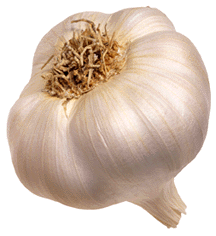 (HealthDay News) -- The way in which garlic inflicts gastric pain may also be the way it confers cardiovascular benefits, a new study suggests.
The finding, reported in this week's issue of the Proceedings of the National Academy of Sciences is preliminary, however, and far from convincing for some experts.
"It's a possible mechanism for cardiovascular benefit from garlic, but they're a long way off from tying the two together," said Joe Vinson, a professor of chemistry at the University of Scranton in Pennsylvania. "They didn't do anything that convinced me that they've discovered the mechanism."
"It's still in the realm of very basic research," added Ruth Kava, director of nutrition at the American Council on Science and Health in New York City. "Whether or not it's going to have any real impact in terms of human health, it's much too early to say."
If the study is confirmed and replicated by other researchers, however, "it may provide a role for future pharmaceuticals," Kava added.
Garlic, along with onion, leek, chives and shallots, belongs to the plant genus Allium, and is known for its pungency and spiciness.
According to the study, these plants have been used for centuries to treat hypertension, high cholesterol and blood clots.
Garlic, in particular, has been tentatively linked to a variety of beneficial health effects, from reducing blood pressure and cholesterol to treating cancer.
"Garlic lowers your blood pressure, sometimes lowers your cholesterol, sometimes relaxes your arteries," Vinson said. "I say sometimes because not every study showed this."
But garlic has darker side effects, namely skin irritation and swelling of the legs.
Study co-author David Julius, a professor of cellular and molecular pharmacology at the University of California, San Francisco, has been interested in this darker side, studying how plants produce pain as a way to figure out how our sensory neurons detect painful stimuli.
For example, capsaicin in chili peppers causes an intense burning pain by activating specific neurons. Julius has discovered that capsaicin acts specifically on a cellular ion channel belonging to the TRP channel family.
Once activated, this channel lets sodium and calcium ions enter cells. This sends distress messages to the spinal cord, and then on to the pain centers of the brain.
Wasabi and mustard oil work in a similar way, generating pain and inflammation via TRPA1, another member of the TRP family.
"It's kind of a shared molecular mechanism where plants have developed all these interesting and, in some cases, potent defenses that probably serve a plant well because they act as anti-predatory mechanisms to tell squirrels and rats and other organisms that haven't learned how to cook with these to 'stay away, you don't want to eat this,'" Julius explained.
And garlic apparently works the same way.
In this study, Julius and his co-authors showed that a molecule in garlic called allicin stimulated sensory pain neurons in rats by activating the TRPA1 channel.
"Allicin was already known to be the main pungent ingredient in garlic," Julius said. "Consistent with this, we showed that allicin is, indeed, an activator of TRPA1."
The neurons released neurotransmitters in the spinal cord to generate pain signals, and released neuropeptides at the site of sensory nerve activation (meaning the skin, lips etc.), which resulted in vasodilation -- a healthy enlargement of blood vessels -- as well as inflammation.
These were test tube experiments only, however, and the work needs to be replicated in animals and humans.
"This is possible good news about garlic, but it's not related directly to the heart," Vinson said. "It's not getting me convinced that I should be taking garlic personally."
More information
For more on garlic and health, visit Garlic Central.
more discussion: Forum
· Addiction Forum · Ask the Doctors Forum · Ayurveda Forum · Ayurvedic & Thai Herbs Forum · Colon Cleansing Forum · Dental Forum · Diabetes Forum · Diet Forum · General Cleansing Forum · Hepatitis A, B. C Forum · Integrated Medicine Forum · Live Blood Analysis Forum · Ozone-Oxygen-Forum · pH - Alkaline - Acidity Forum · Weight Loss Forum
Thursday, August 24, 2006
Q&A:
Q: I really want to start transitioning my diet to a more alkaline diet over the next year, what should I shop for at the health food store?
A: Produce
Avocado, Beets, Bell peppers, Broccoli, Cabbage, Carrots, Cauliflower, Celery, Chard, Cucumber, Dark, lettuce, Eggplant, Garlic, Herbs (fresh), Jicama, Kale, Leeks, Lemon, Lime, Onion, Parsley, Red, new potatoes, Seasonal fruit (when in balance), Spinach, Squash, Tomato, Zucchini
Refrigerated Section
Borage Oil, Fresh salsa (no vinegar), Flax seed oil, Hummus, Sprouted Wheat Tortillas (by Alvarado Street), Tofu, Udo's Choice- Perfected, Oil Blend
Freezer Section
Boca burgers (vegan), Manna bread, (Sun seed or Whole Wheat)
Seafood/Meat Section
Salmon, Trout, Free range turkey (to be eaten on rare occasions)
Water
Distilled water, Reverse-osmosis
Spices
Spice Hunter Brand (All Purpose Blend, California Pizza, Cowboy BBQ Rub, Curry Seasoning, Deliciously Dill, Garam Masala, Herbes de Provence, Italian Spice, Jamaican Jerk, Mexican, Pasta Seasoning, Spicy Garlic Bread, Szechwan, Thai Seasoning, The Zip), Cinnamon, Cumin, Garlic, Ginger, Onion, Parsley, Thyme
Health Food Section
Almond butter, Almond milk, Amaranth, Basmati rice, Brown rice cakes, Buckwheat, Dulse flakes, Flours (spelt, millet, amaranth, etc), Grape Seed Oil, Hummus, Kamut, Millet, Olive oil, Quinoa, Rotini (quinoa, spelt), Soba noodles (rice or buckwheat), Spelt, Soy milk, Sprouts (any), Sun-dried tomatoes (in olive oil), Tahini, Vegetable broth (yeast-free), Wild rice
Salts
Bragg's Aminos, Sea Salt, Real Salt Brand
Legumes
Adzuki, Black, Black-eyed, Cranberry, Garbanzo, Kidney, Lentils, Mung, Pinto
Nuts/Seeds
Almonds, Brazil nuts, Flax seeds, Filberts, Macadamia nuts, Pecans (seasonal), Pine nuts, Pumkin seeds, Sesame seeds, Sunflower seeds, Walnuts (seasonal), *all nuts/seeds should be raw and unsalted
**Remember to read all labels!! Watch for citric acid, mushrooms, yeast, vinegar, peanut products, corn products, etc.
^^^^^^^^^^^^^^^
Q: Does InnerLight have an 800# I can use to buy products?
A: Yes, call 1-800-677-0997, M-F, 8-6 mst. All you need is your name if you are a preferred customer or a distributor. If you are a new customer tell the rep Ken Lyons is your contact person.
^^^^^^^^^^^^^^^
Q: I'm thinking about doing a 7-10 day cleanse. What is a typical day on the cleanse like?
A: Typical Day on the Cleanse
7:00 a.m. 1 quart water with Prime pH and lemon juice 7:30 a.m. Liquid colloidal supplements 8:00 a.m. Freshly juiced greens and capsules
9 - 12:00 1 ½ quarts water with SuperGreens/Prime pH 12:30 p.m. Liquid colloidal supplements 1:00 p.m. Capsules with soup or juice
2 - 5:00 1 ½ quarts water with SuperGreens/Prime pH 5:30 p.m. Liquid colloidal supplements 6:00 p.m. Capsules with soup or juice
7 - 9:00 Water with Prime pH and lemon juice as desired
A: Produce
Avocado, Beets, Bell peppers, Broccoli, Cabbage, Carrots, Cauliflower, Celery, Chard, Cucumber, Dark, lettuce, Eggplant, Garlic, Herbs (fresh), Jicama, Kale, Leeks, Lemon, Lime, Onion, Parsley, Red, new potatoes, Seasonal fruit (when in balance), Spinach, Squash, Tomato, Zucchini
Refrigerated Section
Borage Oil, Fresh salsa (no vinegar), Flax seed oil, Hummus, Sprouted Wheat Tortillas (by Alvarado Street), Tofu, Udo's Choice- Perfected, Oil Blend
Freezer Section
Boca burgers (vegan), Manna bread, (Sun seed or Whole Wheat)
Seafood/Meat Section
Salmon, Trout, Free range turkey (to be eaten on rare occasions)
Water
Distilled water, Reverse-osmosis
Spices
Spice Hunter Brand (All Purpose Blend, California Pizza, Cowboy BBQ Rub, Curry Seasoning, Deliciously Dill, Garam Masala, Herbes de Provence, Italian Spice, Jamaican Jerk, Mexican, Pasta Seasoning, Spicy Garlic Bread, Szechwan, Thai Seasoning, The Zip), Cinnamon, Cumin, Garlic, Ginger, Onion, Parsley, Thyme
Health Food Section
Almond butter, Almond milk, Amaranth, Basmati rice, Brown rice cakes, Buckwheat, Dulse flakes, Flours (spelt, millet, amaranth, etc), Grape Seed Oil, Hummus, Kamut, Millet, Olive oil, Quinoa, Rotini (quinoa, spelt), Soba noodles (rice or buckwheat), Spelt, Soy milk, Sprouts (any), Sun-dried tomatoes (in olive oil), Tahini, Vegetable broth (yeast-free), Wild rice
Salts
Bragg's Aminos, Sea Salt, Real Salt Brand
Legumes
Adzuki, Black, Black-eyed, Cranberry, Garbanzo, Kidney, Lentils, Mung, Pinto
Nuts/Seeds
Almonds, Brazil nuts, Flax seeds, Filberts, Macadamia nuts, Pecans (seasonal), Pine nuts, Pumkin seeds, Sesame seeds, Sunflower seeds, Walnuts (seasonal), *all nuts/seeds should be raw and unsalted
**Remember to read all labels!! Watch for citric acid, mushrooms, yeast, vinegar, peanut products, corn products, etc.
^^^^^^^^^^^^^^^
Q: Does InnerLight have an 800# I can use to buy products?
A: Yes, call 1-800-677-0997, M-F, 8-6 mst. All you need is your name if you are a preferred customer or a distributor. If you are a new customer tell the rep Ken Lyons is your contact person.
^^^^^^^^^^^^^^^
Q: I'm thinking about doing a 7-10 day cleanse. What is a typical day on the cleanse like?
A: Typical Day on the Cleanse
7:00 a.m. 1 quart water with Prime pH and lemon juice 7:30 a.m. Liquid colloidal supplements 8:00 a.m. Freshly juiced greens and capsules
9 - 12:00 1 ½ quarts water with SuperGreens/Prime pH 12:30 p.m. Liquid colloidal supplements 1:00 p.m. Capsules with soup or juice
2 - 5:00 1 ½ quarts water with SuperGreens/Prime pH 5:30 p.m. Liquid colloidal supplements 6:00 p.m. Capsules with soup or juice
7 - 9:00 Water with Prime pH and lemon juice as desired
Top Twenty Acrylamide-Rich Foods
 By Ben Kim, D.C.
In July of 2006, the United States Food and Drug Administration released the results of its latest research on the acrylamide content of common foods.
The top 20 foods by average acrylamide intake by the U.S.
population are as follows:
French Fries (made in restaurants)
French Fries (oven baked)
Potato Chips
Breakfast Cereals
Cookies
Brewed Coffee
Toast
Pies and Cakes
Crackers
Soft Bread
Chile con Carne
Corn Snacks
Popcorn
Pretzels
Pizza
Burrito/Tostada
Peanut Butter
Breaded Chicken
Bagels
Soup Mix
Acrylamide has been shown to cause cancer in animals. Exposure to large doses of acrylamide has also been shown to cause neurological damage in humans. Acrylamide tends to form when foods that are high in carbohydrates and/or an amino acid called asparagine are cooked at high temperatures. Cooking methods that tend to require high temperatures - like frying, roasting, and baking - are more likely to cause acrylamide formation in food. Non-cooked and boiled foods almost never contain detectable levels of acrylamide.
The top two food groups listed above - French fries and potato chips - are easily two of the most damaging foods to human health.
Despite the creation of "healthy" varieties of French fries and potato chips like New York Fries - Fried in 100% Non-Hydrogenated Sunflower Oil and Trader Joe's Veggie Chips Potato Snacks, it's important to know that all French fries and potato chips that have been deep-fried in oil are heavily laced with acrylamide and pose a serious threat to one's health.
Good to Know Information:A Sick Health Care System
 By Ben Kim, D.C.
One of the main goals that I have ... is to encourage our readers to learn how to be their own best doctors. Please don't misunderstand me; I think that there are some wonderfully caring and competent doctors in our world. But there are also many doctors who don't have each of their patients' best interests at or even near the top of their list of priorities.
Over the years, it's become clear to me that a big part of the problem with our health care system is the system itself; our current health care system doesn't encourage doctors to teach their patients to prevent disease and address health conditions with simple food and lifestyle choices.
Take, for example, the health care system here in Canada. I often hear leaders of other countries, most notably, the United States, tout the universal health care system in Canada as being the ideal system - one in which every man, woman, and child has access to free health care.
While on the surface the Canadian system appears to be an effective one, as far as I can tell, it is just as sick as other health care systems throughout the world. To be more specific, medical doctors here in Ontario, Canada, are paid an average of $27 Canadian dollars per routine office visit. Initial visits that involve a thorough physical examination are usually billed at $60 Canadian dollars per visit.
Put another way, for routine office visits, medical doctors here in Ontario have no financial motivation to take their time and consider their patients' food and lifestyle choices.
If a patient comes in with a chief complaint of a chronic headache, the doctor could spend an hour gathering critical information on a patient's diet and lifestyle, and then go on to address any changes that could be made to address the chronic headache. Alternatively, the doctor could spend five minutes going through the motions - pulse, blood pressure, pupillary reflexes, and other quick screening measures to make the patient feel like he or she has been adequately examined by an expert - and then write out a prescription for a pain killer.
Either way, the doctor gets paid $27.
So which route do you think most doctors take?
There's another reason why many doctors have a tendency to deal with most cases with a prescription for a drug: the pharmaceutical industry makes it well worth their while to do so.
Here's how a pharmaceutical sales representative recently summarized his work for me:
"I take the doctor out to dinner at a fancy restaurant, all expenses paid. As dinner winds down, I ask the doctor to recommend my company's brand for certain health conditions among his patients. Sometimes, the doctor will say that his office needs new equipment. I say how much? The doctor says $5,000. I say fine, but only if you write 100 scripts (prescriptions) for a specific drug made by our company each month. The doctor agrees, and we get him his new $5,000 machine."
Out of curiosity, I asked the pharmaceutical sales rep how he and his company can be sure that the doctor will follow through on his word to write out 100 prescriptions of their drug each month. Can't the doctor just take his $5,000 machine and not follow through on his promise?
"No, all pharmaceutical companies pay big money to a huge, global corporation called IMS that tracks this type of data," was the rep's instant reply.
For a fee, IMS can provide date-specific data to pharmaceutical companies that breaks down exactly how many prescriptions of each drug that each licensed doctor has handed out and how many of them have been fulfilled at licensed pharmacies.
In other words, the managers who work for pharmaceutical companies who approve $5,000 gifts have a sure-fire way of verifying that their gifts are properly reciprocated.
And I think that we can all safely assume that this regular exchange of gifts does not amount to a net profit of zero dollars for the pharmaceutical industry. Just in case you don't want to make this assumption, consider that the IMS reports that in 2005, global pharmaceutical sales amounted to 602 billion dollars; mucho dinero, n'est pas?
So let's pretend for a moment that you're a doctor who now has to write 100 prescriptions per month for a specific drug that helps to regulate blood glucose.
When a patient walks into your office and shows a mild to moderately elevated fasting blood glucose level, would you take a half hour to an hour to explain what he or she can do with food and lifestyle choices to have a great shot at lowering blood glucose to a healthy level? Or would you write a quick prescription for a blood glucose-regulating drug to bring your target for the month down to 99 prescriptions?
This is one of the most powerful ways in which big pharmaceutical companies have helped to create a sick health care system; they provide strong financial incentives for doctors to choose drugs over health education for patients.
The bottom line: putting your health entirely in another person's hands, namely, your doctor's, is never as good a choice as learning how to be your own best doctor.
Learn how to choose nutrient-dense foods.
Learn about the critical roles that fresh air, clean water, some exposure to sunlight, physical activity, and proper physical and emotional rest play in determining your health state.
Learn how negative emotions can cause physical damage to your cells.
Most importantly, apply all of this knowledge to your everyday life as soon as possible; be your own best doctor
from Ben Kim DC
ALKALIZING RECIPES:
 ALKALIZING RECIPES:
Karen's Spinach Pesto
1 Bag Baby Spinach 5 to 7oz.....
optional (one large handful chopped Kale to the Spinach) Put in food processor
add 1/8th cup Pine Nuts
add 1/4th cup Olive Oil, ( add about 3/4 at first so, not to get too soupy)
add to taste Real Salt (about 1/4 tsp)
add 1/8th tsp. Garlic Powder or one clove Garlic
DO NOT OVER PROCESS, CAN PUT OVER HOT PASTA OR USE AS A DIP
^^^^^^^^^^^^^^^
Honey-Glazed Roasted Vegetables
1/4 cup honey
1/4 cup olive oil
3 Tbs Lemon or Lime juice
1 clove garlic, minced
RealSalt, pepper, and dried thyme to taste
4 cups mixed halved red potatoes, sliced zucchini, thickly sliced onions, red peppers, carrots, sweet potatoes, sliced eggplant, or other vegetables
Mix all ingredients except the vegetables. Put vegetables in a roasting pan; brush honey mixture over all. Bake at 400F degrees for 30 minutes, stirring often. Makes 4 servings.
^^^^^^^^^^^^^^^
Apple Accent Salad
1/2 to 3/4 head romaine lettuce
1 bunch arugula, chopped
1 large Fuji or Gala apple, chopped
1 cup shredded red cabbage
3 green onions, chopped
1/2 red or yellow bell pepper, chopped
2 carrots, shredded
3 tsp chopped almond (plump in water for a couple of hours before
chopping) Alfalfa sprouts
Wash lettuce and pat dry with a kitchen towel or use a salad spinner. Put into a large salad bowl. Add remaining ingredients and toss. Top with alfalfa sprouts and serve with Triple Citrus Dressing (see below).
Triple Citrus Dressing
1 3/4 tsp Real Salt or to taste
1/4 tsp ground black pepper
3/4 tsp dry mustard
2 cloves garlic, crushed
2 Tbs minced green onion tops
1 cup EV olive oil or a combination of good oils
1/4 cup lime juice (2 to 3 limes)
1/4 cup lemon juice (1 to 2 lemons)
1/4 cup fresh orange juice (1-2 oranges)
1/4 cup water
Combine all ingredients in a 1-quart jar and shake well. For best flavor prepare ahead of time.
Refrigerate leftovers. Keeps for 1 week. Makes approximately 2 1/2 cups
^^^^^^^^^^^^^^^
SNACKS:
Raw, soaked nuts can be prepared overnight. Simply place desired amount of nuts in a container, covered with distilled water. Keep in refrigerator overnight. Drain the next morning and enjoy throughout the day. Rinse twice a day with fresh water.
Sprouted Tortilla Chips are made from whole tortillas. Cut up one package of Alvarado Street brand tortillas into pie-shaped pieces.
Place on two lightly-oiled baking sheets and toast at 350 degrees for 10-
15 minutes. They can be dipped in salsa, hummus, or almond butter for a snack.
Broccoli/Tomato Salad is a lettuce-free salad quickly prepared.
Just chop 1-2 cups of broccoli in a bowl. Add 1 tomato and 1 avocado, sliced. Top with slivered almonds, Bragg's Aminos, Real Salt, and The Zip for an energizing snack or meal.
Rice cakes with almond butter are a crunchy treat. Spread raw almond butter on an unsalted brown rice or multi-grain cake for a speedy snack.
Wednesday, August 23, 2006
Organic Food Fends Off Pesticides
(HealthDay News) -- If you are looking to banish pesticides from your child's diet, new research suggests that organic food will do the trick, at least when it comes to two common pesticides.
Researchers found that pesticide levels in children's bodies dropped to zero after just a few days of eating organic produce and grains. "After they switch back to a conventional diet, the levels go up," said study co-author Chensheng Lu, an assistant professor of environmental and occupational health at Emory University.
But Lu acknowledged that organic food is often more expensive than conventional food, and he added that the health risks of the pesticides in question aren't entirely clear.
According to the study, it has been difficult to figure out exactly how much pesticide residue children are exposed to when they eat food that was treated as it grew in the field.
Lu said the impetus for the new study was a previous research project that examined pesticide levels in 110 children and only found one child whose body was pesticide-free -- a child who regularly ate organic food.
His team looked at two common pesticides known as organophosphorus. According to Lu, their use in residential areas is banned, but they're still used by growers.
In 2003, researchers recruited 23 children from Seattle-area schools, all aged 3-11. Researchers monitored levels of two organophosphorus pesticides -- malathion and chlorpyrifos -- in their urine during a 15-day period in which they alternated between their regular diets and diets featuring organic fruits, vegetables and grain products.
The findings were to be discussed Sunday at the annual meeting of the American Association for the Advancement of Science in St. Louis. The study, funded by the U.S. Environmental Protection Agency, appeared online last September in the journal Environmental Health Perspectives.
The researchers found that the pesticide levels dropped immediately when the children started eating the organic foods. The staying power of the pesticides was "relatively short," Lu said.
"Whether that is important in terms of health effects remains to be seen," Lu added, noting that scientists don't know exactly how the pesticides affect the body over time.
There is evidence that they're dangerous, said Dr. Nathan M. Graber, a fellow in pediatric environmental health at the Mount Sinai School of Medicine. "We know that at high doses, these pesticides can cause serious symptoms because they are toxic to the nervous system," he said, adding that there's "sound scientific reasoning" suggesting that low doses can hurt the developing brain.
What should parents do? Kids should be eating lots of fresh fruits and vegetables, regardless of whether they are organically grown, because the benefits greatly outweigh the risk, Graber said. "Parents should not feed their children less nutritious foods out of fear of pesticides."
Foods that are especially vulnerable to pesticide residue include strawberries, nectarines, peaches, apples, pears and cherries, Lu said. Some other foods, such as bananas and oranges, aren't as vulnerable, he added.
More information
Learn more about organic farming and market strategies from the U.S. Department of Agriculture.
Researchers found that pesticide levels in children's bodies dropped to zero after just a few days of eating organic produce and grains. "After they switch back to a conventional diet, the levels go up," said study co-author Chensheng Lu, an assistant professor of environmental and occupational health at Emory University.
But Lu acknowledged that organic food is often more expensive than conventional food, and he added that the health risks of the pesticides in question aren't entirely clear.
According to the study, it has been difficult to figure out exactly how much pesticide residue children are exposed to when they eat food that was treated as it grew in the field.
Lu said the impetus for the new study was a previous research project that examined pesticide levels in 110 children and only found one child whose body was pesticide-free -- a child who regularly ate organic food.
His team looked at two common pesticides known as organophosphorus. According to Lu, their use in residential areas is banned, but they're still used by growers.
In 2003, researchers recruited 23 children from Seattle-area schools, all aged 3-11. Researchers monitored levels of two organophosphorus pesticides -- malathion and chlorpyrifos -- in their urine during a 15-day period in which they alternated between their regular diets and diets featuring organic fruits, vegetables and grain products.
The findings were to be discussed Sunday at the annual meeting of the American Association for the Advancement of Science in St. Louis. The study, funded by the U.S. Environmental Protection Agency, appeared online last September in the journal Environmental Health Perspectives.
The researchers found that the pesticide levels dropped immediately when the children started eating the organic foods. The staying power of the pesticides was "relatively short," Lu said.
"Whether that is important in terms of health effects remains to be seen," Lu added, noting that scientists don't know exactly how the pesticides affect the body over time.
There is evidence that they're dangerous, said Dr. Nathan M. Graber, a fellow in pediatric environmental health at the Mount Sinai School of Medicine. "We know that at high doses, these pesticides can cause serious symptoms because they are toxic to the nervous system," he said, adding that there's "sound scientific reasoning" suggesting that low doses can hurt the developing brain.
What should parents do? Kids should be eating lots of fresh fruits and vegetables, regardless of whether they are organically grown, because the benefits greatly outweigh the risk, Graber said. "Parents should not feed their children less nutritious foods out of fear of pesticides."
Foods that are especially vulnerable to pesticide residue include strawberries, nectarines, peaches, apples, pears and cherries, Lu said. Some other foods, such as bananas and oranges, aren't as vulnerable, he added.
More information
Learn more about organic farming and market strategies from the U.S. Department of Agriculture.
Tuesday, August 22, 2006
Are Organic Foods Unsafe?
Q: Are Organic Foods Unsafe?A relative of mine who is an oncologist recently told me that organic foods harbor a highly carcinogenic fungus. He said that exposure to pesticides is less of a risk and that in fact the pesticides and other chemicals take care of the fungus. I am confused. Can you help? -- Harriet
A: With all due respect to your relative, this is a bogus argument against organic foods. True, there are carcinogenic fungi, but they don’t develop on fruits and vegetables. One of the most troublesome fungal carcinogens found in foods is aflatoxin, produced by certain strains of the molds Aspergillus flavus and A. parasiticus that grow on peanuts stored in warm, humid silos. Peanuts aren’t the only problem sources; aflatoxin has been found in pecans, pistachios and walnuts, as well as milk, grains, soybeans and spices. Aflatoxin is a potent carcinogen, known to cause liver cancer in laboratory animals and may contribute to the incidence of liver cancer in Africa where peanuts are a dietary staple. Aflatoxin occurs in both organic and conventionally grown foods.
I’m not telling you about aflatoxin to worry you, but to point out what foods are most likely to harbor carcinogens from fungi. (The United States government routinely tests crops for aflatoxin and doesn’t permit them to be used here for human or animal food if they contain levels over 20 parts per billion.) Over the years, there have been a number of assaults on organic foods. In 2000, the ABC News program 20/20 carried a report in which experts stated that consumers should be more concerned about bacteria on organic produce than about pesticide residues on conventionally produced fruits and vegetables. However, the report conceded that bacteria can also be found on conventional produce and that both types of fruits and vegetables should be thoroughly washed before eating. Oncologists sometimes worry that the immune-suppressive effects of chemotherapy leave cancer patients more vulnerable to infections, including food-borne ones. Food-borne infections from produce are rare and are just as likely from conventional produce as organic.
Although we don’t yet have many studies demonstrating the differences between organic and conventionally grown foods, proving that one is better than the other, there is evidence of pesticide residues in 71 to 90 percent of conventionally produced foods compared to 13 to 23 percent of organically grown foods. Pesticides are definitely not good for you.
To guard against bacteria (and remove pesticides), carefully wash and rinse berries, green beans, and other fruits and vegetables that you can’t peel and remove the outer leaves of leafy vegetables. Unfortunately, water alone won’t do the trick – use a drop or two of dish detergent in a small tub of water and rinse thoroughly after washing. You should also check the lists of the most and least contaminated crops provided by the Environmental Working Group (www.foodnews.org/walletguide.php).
Andrew Weil, M.D.
A: With all due respect to your relative, this is a bogus argument against organic foods. True, there are carcinogenic fungi, but they don’t develop on fruits and vegetables. One of the most troublesome fungal carcinogens found in foods is aflatoxin, produced by certain strains of the molds Aspergillus flavus and A. parasiticus that grow on peanuts stored in warm, humid silos. Peanuts aren’t the only problem sources; aflatoxin has been found in pecans, pistachios and walnuts, as well as milk, grains, soybeans and spices. Aflatoxin is a potent carcinogen, known to cause liver cancer in laboratory animals and may contribute to the incidence of liver cancer in Africa where peanuts are a dietary staple. Aflatoxin occurs in both organic and conventionally grown foods.
I’m not telling you about aflatoxin to worry you, but to point out what foods are most likely to harbor carcinogens from fungi. (The United States government routinely tests crops for aflatoxin and doesn’t permit them to be used here for human or animal food if they contain levels over 20 parts per billion.) Over the years, there have been a number of assaults on organic foods. In 2000, the ABC News program 20/20 carried a report in which experts stated that consumers should be more concerned about bacteria on organic produce than about pesticide residues on conventionally produced fruits and vegetables. However, the report conceded that bacteria can also be found on conventional produce and that both types of fruits and vegetables should be thoroughly washed before eating. Oncologists sometimes worry that the immune-suppressive effects of chemotherapy leave cancer patients more vulnerable to infections, including food-borne ones. Food-borne infections from produce are rare and are just as likely from conventional produce as organic.
Although we don’t yet have many studies demonstrating the differences between organic and conventionally grown foods, proving that one is better than the other, there is evidence of pesticide residues in 71 to 90 percent of conventionally produced foods compared to 13 to 23 percent of organically grown foods. Pesticides are definitely not good for you.
To guard against bacteria (and remove pesticides), carefully wash and rinse berries, green beans, and other fruits and vegetables that you can’t peel and remove the outer leaves of leafy vegetables. Unfortunately, water alone won’t do the trick – use a drop or two of dish detergent in a small tub of water and rinse thoroughly after washing. You should also check the lists of the most and least contaminated crops provided by the Environmental Working Group (www.foodnews.org/walletguide.php).
Andrew Weil, M.D.
Friday, August 18, 2006
High blood pressure: investigation & treatment
High blood pressure: investigation & treatmentDr H.S. Wasir
Anybody who is found to have high blood pressure must get the following investigations done which help (a) to find a possible cause or causes and thereby give a specific treatment for the disease in the form of ballooning (angioplasty) or surgery, and (b) to know the extent of damage done by high blood pressure to vital organs such as brain, eyes, heart and kidneys.
The investigations include: (1) Blood tests for haemorgram, urea, sugar, uric acid, electrolytes (Na+ k+) and lipid profile, i.e. cholesterol, triglycerides and lipoproteins like LDL, HDL and VLDL. (ii) Urine analysis for albumin and microscopy (iii) X-rays of chest and abdomen (iv) ECG. (v) Ultrasound of abdomen for kidneys and adrenal glands (vi) Eye check-up (fundoscopy). (7) CT scan or MRI is advised in a few cases suspecting a tumour as a cause of high blood pressure or vascular complications due to high blood pressure.
Treatment of high blood pressure comprises of (1) non-drug measures, (2) drugs for high blood pressure, (3) angioplasty with stents (ballooning), and (4) surgery.
Non-drug measures
Weight reduction in those who are overweight. Doing regular physical exercise specially brisk walks, swimming and other dynamic exercises. Avoiding excess salt and spirits (alcohol). Avoiding smoking. Practice of mental relaxation through meditation, music and yoga, study of religious scriptures and attending to religious congregations.
Drugs
There are excellent drugs available at present for the control of high blood pressure. It is not possible to describe these in detail here, but it will suffice to state that the doctor should use such drugs or drug combinations as do not cause any disturbances in blood glucose, cholesterol and electrolytes.
One common side-effect of some of the blood pressure lowering drugs is impotence or adverse effects on male erectile function. In case the patient experiences such a side-effect it should be brought to the notice of the treating doctor so that alternative medicines can be prescribed as there is a large list available to choose from.
While treating high blood pressure in elderly patients, we must start with the smaller doses of any drug and preferably give one drug. The elderly cannot tolerate sudden falls in blood pressure and may get symptoms due to a sudden decrease in blood supply to the brain if their blood pressure is brought down suddenly.
The elderly are also more prone to postural hypotensions, i.e. sudden fall in blood pressure on standing. They should, therefore, be instructed to gradually adopt the standing posture from the lying down supine position, preferably sitting in the bed with legs hanging down for a few seconds before standing up and walking.
Stepdown therapy
Unlike the old concept that once blood pressure drugs are started one had to take them life long, this is not always so. If the drug treatment is started early, it is possible to reduce drugs and at times even stop these while continuing the life-style modifications enlisted above under non-drug measures. Any reduction in drug therapy or its stopping should be done under medical supervision.
Balloon and stenting
Some patients whose high blood pressure is due to narrowing or blocked arteries, especially the renal (kidney) arteries, can be successfully treated by angioplasty procedures, i.e. ballooning and using metallic coils called stents to prevent a recurrence of the narrowing. This procedure can be done at any age, including the adults and even elderly where the narrowing of the renal arteries is due to the process of atherosclerosis.
Surgery
It is rare that high blood pressure is due to some tumours in the kidneys or in the neighbouring organs called adrenal glands. Such patients can be cured of their high blood pressure by operations. The earlier the treatment is given, the better are the results.
Prevention
Precise prevention of a disease is possible when its exact cause is known, which in the case of high blood pressure we do not know. We, therefore, do not have any vaccination against high blood pressure as the causative agent is not known. The various preventive measures for the disease are targeted against the risk factors which either initiate or aggravate high blood pressure.
These are:
1. Avoid obesity and lose weight if overweight.
2. Regular physical exercise not only keeps the weight down but is also the best means for mental relaxation and keeps the blood pressure and blood cholesterol down. Regular physical exercise adds not only years to life but also life to years.
3. Not to consume too much salt. Diet should contain enough citrus fruits to keep the blood potassium up and sodium low. Banana is a rich source of potassium.
4. Alcohol consumption more than two ounces of whisky or two glasses of beer or wine in a day should be strongly discouraged.
5. Regular practice of meditation and yoga asanas, including padamasana and shavasana, are proven ways to give mental relaxation and to prevent high blood pressure.
Shavasana (corpse pose)
Lying flat on the ground with the face upwards, in the manner of a dead body, is shavasana. It removes tiredness and enables the mind and whole body to relax. Shavasana practised for 15 to 20 minutes daily is helpful in prevention and treatment of high blood pressure.
The writer is the Chief Cardiologist and Medical Adviser, Batra Hospital & Medical Research Centre, New Delhi.
more discussion: Forum
· Addiction Forum · Ask the Doctors Forum · Ayurveda Forum · Ayurvedic & Thai Herbs Forum · Colon Cleansing Forum · Dental Forum · Diabetes Forum · Diet Forum · General Cleansing Forum · Hepatitis A, B. C Forum · Integrated Medicine Forum · Live Blood Analysis Forum · Ozone-Oxygen-Forum · pH - Alkaline - Acidity Forum · Weight Loss Forum
Anybody who is found to have high blood pressure must get the following investigations done which help (a) to find a possible cause or causes and thereby give a specific treatment for the disease in the form of ballooning (angioplasty) or surgery, and (b) to know the extent of damage done by high blood pressure to vital organs such as brain, eyes, heart and kidneys.
The investigations include: (1) Blood tests for haemorgram, urea, sugar, uric acid, electrolytes (Na+ k+) and lipid profile, i.e. cholesterol, triglycerides and lipoproteins like LDL, HDL and VLDL. (ii) Urine analysis for albumin and microscopy (iii) X-rays of chest and abdomen (iv) ECG. (v) Ultrasound of abdomen for kidneys and adrenal glands (vi) Eye check-up (fundoscopy). (7) CT scan or MRI is advised in a few cases suspecting a tumour as a cause of high blood pressure or vascular complications due to high blood pressure.
Treatment of high blood pressure comprises of (1) non-drug measures, (2) drugs for high blood pressure, (3) angioplasty with stents (ballooning), and (4) surgery.
Non-drug measures
Weight reduction in those who are overweight. Doing regular physical exercise specially brisk walks, swimming and other dynamic exercises. Avoiding excess salt and spirits (alcohol). Avoiding smoking. Practice of mental relaxation through meditation, music and yoga, study of religious scriptures and attending to religious congregations.
Drugs
There are excellent drugs available at present for the control of high blood pressure. It is not possible to describe these in detail here, but it will suffice to state that the doctor should use such drugs or drug combinations as do not cause any disturbances in blood glucose, cholesterol and electrolytes.
One common side-effect of some of the blood pressure lowering drugs is impotence or adverse effects on male erectile function. In case the patient experiences such a side-effect it should be brought to the notice of the treating doctor so that alternative medicines can be prescribed as there is a large list available to choose from.
While treating high blood pressure in elderly patients, we must start with the smaller doses of any drug and preferably give one drug. The elderly cannot tolerate sudden falls in blood pressure and may get symptoms due to a sudden decrease in blood supply to the brain if their blood pressure is brought down suddenly.
The elderly are also more prone to postural hypotensions, i.e. sudden fall in blood pressure on standing. They should, therefore, be instructed to gradually adopt the standing posture from the lying down supine position, preferably sitting in the bed with legs hanging down for a few seconds before standing up and walking.
Stepdown therapy
Unlike the old concept that once blood pressure drugs are started one had to take them life long, this is not always so. If the drug treatment is started early, it is possible to reduce drugs and at times even stop these while continuing the life-style modifications enlisted above under non-drug measures. Any reduction in drug therapy or its stopping should be done under medical supervision.
Balloon and stenting
Some patients whose high blood pressure is due to narrowing or blocked arteries, especially the renal (kidney) arteries, can be successfully treated by angioplasty procedures, i.e. ballooning and using metallic coils called stents to prevent a recurrence of the narrowing. This procedure can be done at any age, including the adults and even elderly where the narrowing of the renal arteries is due to the process of atherosclerosis.
Surgery
It is rare that high blood pressure is due to some tumours in the kidneys or in the neighbouring organs called adrenal glands. Such patients can be cured of their high blood pressure by operations. The earlier the treatment is given, the better are the results.
Prevention
Precise prevention of a disease is possible when its exact cause is known, which in the case of high blood pressure we do not know. We, therefore, do not have any vaccination against high blood pressure as the causative agent is not known. The various preventive measures for the disease are targeted against the risk factors which either initiate or aggravate high blood pressure.
These are:
1. Avoid obesity and lose weight if overweight.
2. Regular physical exercise not only keeps the weight down but is also the best means for mental relaxation and keeps the blood pressure and blood cholesterol down. Regular physical exercise adds not only years to life but also life to years.
3. Not to consume too much salt. Diet should contain enough citrus fruits to keep the blood potassium up and sodium low. Banana is a rich source of potassium.
4. Alcohol consumption more than two ounces of whisky or two glasses of beer or wine in a day should be strongly discouraged.
5. Regular practice of meditation and yoga asanas, including padamasana and shavasana, are proven ways to give mental relaxation and to prevent high blood pressure.
Shavasana (corpse pose)
Lying flat on the ground with the face upwards, in the manner of a dead body, is shavasana. It removes tiredness and enables the mind and whole body to relax. Shavasana practised for 15 to 20 minutes daily is helpful in prevention and treatment of high blood pressure.
The writer is the Chief Cardiologist and Medical Adviser, Batra Hospital & Medical Research Centre, New Delhi.
more discussion: Forum
· Addiction Forum · Ask the Doctors Forum · Ayurveda Forum · Ayurvedic & Thai Herbs Forum · Colon Cleansing Forum · Dental Forum · Diabetes Forum · Diet Forum · General Cleansing Forum · Hepatitis A, B. C Forum · Integrated Medicine Forum · Live Blood Analysis Forum · Ozone-Oxygen-Forum · pH - Alkaline - Acidity Forum · Weight Loss Forum
The Alkaline Diet - Is It For You?
The diet hype today is all low carbohydrate and high protein, but any serious athlete knows to stay far away from that if performance is their goal. Those types of diets are for inactive people looking for the quick and easy way to drop a pound. The diet for optimal performance and health for athletes could be the Alkaline Diet. This natural diet has numerous benefits that range from helping to fight cancer to clearing up your sinuses. On top of that, athletes on this diet have found higher levels of energy with faster workout recoveries. Maybe this diet should be called the “Perfect Diet”. An important aspect of this diet that is usually overlooked by other diets is its easy adaptability. This is due to the fact that no foods are eliminated completely, just moderated. You don’t have to buy any special shakes, bars, or pills. The alkaline diet gets you back to basics and common sense. It includes lots of whole raw foods and less man-made processed products while moderating acidic food intake.
Why alkaline?
This diet is focused on maintaining an alkaline (opposite of acidic) pH in the body. The human body in a healthy state is slightly alkaline at the cellular level except for the digestive tract (excluding the mouth) and urinary tract. Those two are slightly acidic. The base level for the rest of the body is around 7.4. When your body is in a state of stress or illness, the pH level is almost always lowered into the acidic range. With the average American diet and lifestyle (not to mention the daily stress an athlete puts on their body during training), it is imminent that your pH level will fall into an acidic state. So it would make sense to put your pH level at alkaline and keep it there. Ratio of alkaline to acidic foods
The rule of thumb for this diet ratio is 75-80% alkaline and 20-25% acidic. The large base of your diet will be raw fruits and vegetables. With a few exceptions, fruits and vegetables are alkaline to the body. They hold many vitamins and minerals needed for optimal health, but they also hold a plentiful supply of phytochemicals. All three of these elements protect your body from illness and supply your body with an endless amount of energy. Even with today’s advanced knowledge of nutrition, we still do not know all of the phytochemicals out there, so it is important to get your nutrients from raw sources and not artificial methods.
Won't acidic fruits go against this diet?
A common misconception is that fruits high in citric acid must be avoided, but the opposite is true. Once the body metabolizes the citric acid, it becomes alkaline. It is important to know that we base what foods are acidic or alkaline on the metabolized byproducts, not what they are outside of the body. Now we all pretty much eat our fruits raw, but vegetables are another story. The majority of us do not even eat them everyday, and when we do, we cook them in a way that kills all the beneficial nutrients. If you cannot eat your vegetables raw, then the next best way is steamed. This will ensure that you get all of the nutrients needed for optimal health. There are some fruits that should be moderated, like prunes, cranberries, and plums. These are known to have an acidic effect on the body.
Protein
The acidic part of the diet is as important as the alkaline, but it does have to be moderated to about 20% of your food intake. This category includes dairy, white flour, poultry, beef, coffee, and eggs. I know it’s hard to hear, but a high intake of protein will put your pH in an acidic state. Athletes these days seem to think protein should be the staple of their diet. It’s true that muscle needs protein to rebuild, but your body will not use more then 1.6 grams per kg of body weight for muscle repair. That number falls a lot shorter than what the bodybuilding magazines state. Do you think that having their advertising pages full of supplement companies has anything to do with that? Keeping up with your protein needs can easily be fit into your 20% acidic ratio. Remember that these foods are needed and should not be avoided, just limited. If your body’s alkaline level gets too high (pH close to 8) then there could be adverse effects.
Testing your pH
A great way to test your pH level is to go down to the local pharmacy and buy some pH strips so you can test yourself at home and monitor your body’s pH changes with your dietary changes. Your ideal pH level is going to be around 7.4 or 7.5. The main concept of this diet is whole, unprocessed foods with lots of raw fruits and vegetables (mostly greens). It is also very important to drink at least 8 oz of water every two waking hours to stay fully hydrated. On this diet your body will take in less man-made toxins that are found in many processed foods, and your pH level will be in an alkaline state. Put all of those together, and you will see your health and energy levels reach a new high. Many professional and amateur athletes are using this diet to extend their competitive years well into their forties. The alkaline diet can benefit any endurance athlete with less illness, faster recoveries and more energy. There are many books and studies done on this subject, so don’t let this article be your only resource.
Why alkaline?
This diet is focused on maintaining an alkaline (opposite of acidic) pH in the body. The human body in a healthy state is slightly alkaline at the cellular level except for the digestive tract (excluding the mouth) and urinary tract. Those two are slightly acidic. The base level for the rest of the body is around 7.4. When your body is in a state of stress or illness, the pH level is almost always lowered into the acidic range. With the average American diet and lifestyle (not to mention the daily stress an athlete puts on their body during training), it is imminent that your pH level will fall into an acidic state. So it would make sense to put your pH level at alkaline and keep it there. Ratio of alkaline to acidic foods
The rule of thumb for this diet ratio is 75-80% alkaline and 20-25% acidic. The large base of your diet will be raw fruits and vegetables. With a few exceptions, fruits and vegetables are alkaline to the body. They hold many vitamins and minerals needed for optimal health, but they also hold a plentiful supply of phytochemicals. All three of these elements protect your body from illness and supply your body with an endless amount of energy. Even with today’s advanced knowledge of nutrition, we still do not know all of the phytochemicals out there, so it is important to get your nutrients from raw sources and not artificial methods.
Won't acidic fruits go against this diet?
A common misconception is that fruits high in citric acid must be avoided, but the opposite is true. Once the body metabolizes the citric acid, it becomes alkaline. It is important to know that we base what foods are acidic or alkaline on the metabolized byproducts, not what they are outside of the body. Now we all pretty much eat our fruits raw, but vegetables are another story. The majority of us do not even eat them everyday, and when we do, we cook them in a way that kills all the beneficial nutrients. If you cannot eat your vegetables raw, then the next best way is steamed. This will ensure that you get all of the nutrients needed for optimal health. There are some fruits that should be moderated, like prunes, cranberries, and plums. These are known to have an acidic effect on the body.
Protein
The acidic part of the diet is as important as the alkaline, but it does have to be moderated to about 20% of your food intake. This category includes dairy, white flour, poultry, beef, coffee, and eggs. I know it’s hard to hear, but a high intake of protein will put your pH in an acidic state. Athletes these days seem to think protein should be the staple of their diet. It’s true that muscle needs protein to rebuild, but your body will not use more then 1.6 grams per kg of body weight for muscle repair. That number falls a lot shorter than what the bodybuilding magazines state. Do you think that having their advertising pages full of supplement companies has anything to do with that? Keeping up with your protein needs can easily be fit into your 20% acidic ratio. Remember that these foods are needed and should not be avoided, just limited. If your body’s alkaline level gets too high (pH close to 8) then there could be adverse effects.
Testing your pH
A great way to test your pH level is to go down to the local pharmacy and buy some pH strips so you can test yourself at home and monitor your body’s pH changes with your dietary changes. Your ideal pH level is going to be around 7.4 or 7.5. The main concept of this diet is whole, unprocessed foods with lots of raw fruits and vegetables (mostly greens). It is also very important to drink at least 8 oz of water every two waking hours to stay fully hydrated. On this diet your body will take in less man-made toxins that are found in many processed foods, and your pH level will be in an alkaline state. Put all of those together, and you will see your health and energy levels reach a new high. Many professional and amateur athletes are using this diet to extend their competitive years well into their forties. The alkaline diet can benefit any endurance athlete with less illness, faster recoveries and more energy. There are many books and studies done on this subject, so don’t let this article be your only resource.
Acid and Alkaline Diet Tips
 Foods are generally categorized as acid or alkaline based on the residue they leave in the human body after they have been metabolized. Often there are fad diets that recommend people eat either all acid or all alkaline foods to solve one disease or another. In reality, it is probably healthier to strive for a balanced middle ground. A variety of health problems can occur when the body is either too alkaline or acidic. When the body fluids become too acidic, a condition called acidosis develops. Conversely, when the body fluids become too alkaline, alkalosis results.
Foods are determined to have either an alkaline or acid forming potential based on their pH values. (The word pH comes from the chemistry formula for calculating the concentration of hydrogen ions present in a substance. pH refers to the "power of Hydrogen.") A pH of 7 is neutral. Foods with an alkaline ash have pH values above 7. Foods with an acid ash have pH values below 7. Pure water has a neutral pH of 7.
In general most grains, dairy products, meats, seeds, legumes and nuts tend to have an acid ash. Most fruits and vegetables tend to have an alkaline ash. Cooked foods tend to be more alkaline than raw foods. Many holistic practitioners believe that modern Western diets are too acidic for good health due to a lack of fruits and vegetables. They often stress the importance of modifying one's diet to achieve a better acid-base balance.
Foods such as orange juice and lemon juice are acidic but turn alkaline after they have been metabolized in the body. As such, for dietetic purposes they are usually considered to be alkaline despite being acidic prior to consumption. Most fruits are alkaline except a few, including cranberries, plums and prunes, because they contain acids the body can't metabolize.
Green Tea Sharbet Recipe - Japanese Dessert
 INGREDIENTS:
4 tbsp green tea powder
12 tbsp sugar
2 tsp gelatin powder
2 egg white
1/4 tsp salt
PREPARATION:
Mix gelatin powder and 2 tsp of water in a small cup. Mix green tea powder and 2/3 cup of hot water well in a bowl. Add sugar in the mixture and add 1 1/4 cup water. Melt gelatin mixture over hot water and mix with green tea water.
Pour the mixture in a flat container and put in a freezer. Whip egg whites with salt and mix with frozen green tea. Put the container in the freezer again. Mix the sharbet again and put back in the freezer.
*Makes 4 servings
The Alkaline Diet
 Tips on alkalinizing your diet
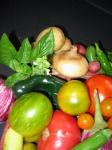
Eat lots of vegetables and fruit
Squeeze lemon or lime into water as a beverage
Try to eat 1 cup of alkalinizing greens daily, such as kale, mustard greens, or broccoli
Eat millet or quinoa as an alternative to wheat
Choose fish and lamb over beef
Use olive oil instead of vegetable oils
Try a greens powder
Learn to make a miso broth. Dissolve one teaspoon of miso into a cup of hot, not boiling, water.
From Cathy Wong, N.D.,
Your Guide to Alternative Medicine.
The Alkaline Diet
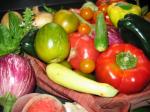 From Cathy Wong, N.D.,
Your Guide to Alternative Medicine.
Essentially, the alkaline diet is opposite the high protein, high fat, low carb diets that are currently in vogue. Most people have never heard of alkaline-acid balance, but many holistic doctors and nutritionists consider a properly balanced diet to be important to optimal health and preventing diseases such as cancer.
The theory behind an alkaline diet is that because our body's pH level is slightly alkaline, with a normal range of 7.36 to 7.44, our diet should reflect this and also be slightly alkaline. An imbalanced diet high in acidic foods such as animal protein, sugar, caffeine, and processed foods tends to disrupt this balance. It can deplete the body of alkaline minerals such as sodium, potassium, magnesium, and calcium, making people prone to chronic and degenerative disease.
Thorough scientific studies are lacking on the alkaline diet.
Many conventional doctors do not believe in the alkaline diet.Who is this diet for?
This diet is for people who feel unwell on a high fat, low carb diet. It is also for people lead stressful lives and who consume large amounts of acidifying foods such as protein, sugar, processed food, cereals, starches, and caffeine, with little alkalinizing vegetables.
What are the symptoms of excess acidity?
Low energy, chronic fatigue
Excess mucous production
Nasal congestion
Frequent colds, flus, and infections
Nervous, stressed, irritable, anxious, agitated
Weak nails, dry hair, dry skin
Formation of cysts, such as ovarian cysts, polycystic ovaries, benign breast cysts (fibrocystic breasts)
Headaches
Joint pain or arthritis
Neuritis
Muscle pain
Feel better after a detox diet
Hives
Leg cramps and spasms
Gastritis, acid indigestionMedical doctors try to test the acidity or alkalinity of the body tissues and cells by analyzing the blood. Pioneers Carey Reams, Harold Hawkins, or Emanuel Revici developed methods to measure urine pH and other factors such as saliva pH. Modern proponents of the alkaline diet look at the pH of blood, saliva, and urine, in addition to health symptoms and other factors.
What are the guidelines of this diet?
An alkaline diet is composed of approximately 75-80% alkaline foods and 20-25% acid foods.
Alkaline Foods Higher alkaline are better
Vegetables -- High alkaline: wheat grass, barley grass, alfalfa spouts, broccoli sprouts, other types of sprouts, cucumber, kale, parsley, sea vegetables. Moderate alkaline: avocado, arugula, beets, bell peppers, broccoli, cabbage, celery, collard, endive, garlic, ginger, green beans, lettuce, mustard greens, okra, onion, spinach, tomato. Slightly alkaline: artichoke, asparagus, brussels sprouts, carrot, cauliflower, kohlrabi, leeks, peas, rhubarb, rutabaga, turnip, watercress, zucchiniFruit -- Slightly alkaline: coconut, grapefruit, lemon, limeBeans and legumes -- Moderate alkaline: lima beans, soy beans, white beans. Slightly alkaline: Lentils, tofu.
Nuts, seeds, oils -- High alkaline: pumkin seeds. Slightly alkaline: almond, borage oil, coconut oil, cod liver oil, evening primrose oil, fish oil, flaxseed oil, olive oil, sesame seeds. Grains -- buckwheat, quinoa, speltCondiments -- Moderate alkaline: cayenne, red chili pepper, sea salt, stevia. Most herbs and spices are somewhat alkaline.
Dairy -- Slightly alkaline: goat milk
Acidifying Foods Lower acid are better. Most acidic are worstDairy and Dairy Substitutes -- Slightly acid: cow's milk, rice milk, soymilk. Most acid: cheese (including cottage cheese, hard cheese, aged cheese, and goat cheese), ice cream, soy cheese, whey protein powder. Animal meat -- Moderate acid: wild fish. Most acid: beef, chicken, duck, eggs, farmed fish, gelatin, lobster, organ meat, pheasant, pork, poultry, seafood, squid, turkey, veal, venison. Grains -- Slightly acid: amaranth, millet.
Moderate acid: oats, rice (brown rice, white rice), rye, wheat. Most acid: barley, corn, rye.Beans and legumes -- Slightly acid: black beans, chickpeas, kidney beans.Vegetables -- Most acidic: mushrooms, potatoes. Fruit -- Slightly acid: cantaloupe, dates (not dried), nectarines. Moderate acid: apple, apricot, banana, all berries, figs (fresh), grape, honeydew, mango, orange, papaya, peach, persimmon, pineapple, tangerine, watermelon.
Most acid: dried fruit. Nuts, Seeds, and Oils -- Slightly acid: brazil nuts, flaxseeds, hazelnuts, pecans, sunflower seeds, sunflower oil, grapeseed oil. Moderate acid: butter, ghee, corn oil, margarine, walnuts. Most acid: cashews, peanuts, pistachios.Condiments -- Moderate acid: ketchup, mayonnaise, table salt. Most acid: jam, mustard, soy sauce, vinegar, white sugar, aspartame, molasses, sugar cane, barley malt syrup, honey, maple syrup, brown rice syrup, yeast.
Monday, August 14, 2006
Health Tip: Avoid Foods for Baby That Cause Choking
(HealthDay News) -- It's exciting when your baby first starts eating solid food.
But be careful. Foods that are hard, round or difficult-to-chew can lodge in small airways, causing choking, according to the U.S. Centers for Disease Control and Prevention.
For children younger than 3, the CDC recommends avoiding foods such as raw carrots and other crunchy vegetables, hard candy, lollipops, peanuts and popcorn.
You should also cut grapes into quarters, hot dogs into fine sticks rather than round slices, chop apples and firm fruits into very small pieces, and cook carrots and hard vegetables until soft, then cut into small pieces.
Another CDC recommendation is keeping an eye on small children while they're eating. Small children may eat in a hurry, stuff too much food in their mouths, or chew their food inadequately.
Last reviewed: 01/27/2006 Last updated: 01/27/2006
But be careful. Foods that are hard, round or difficult-to-chew can lodge in small airways, causing choking, according to the U.S. Centers for Disease Control and Prevention.
For children younger than 3, the CDC recommends avoiding foods such as raw carrots and other crunchy vegetables, hard candy, lollipops, peanuts and popcorn.
You should also cut grapes into quarters, hot dogs into fine sticks rather than round slices, chop apples and firm fruits into very small pieces, and cook carrots and hard vegetables until soft, then cut into small pieces.
Another CDC recommendation is keeping an eye on small children while they're eating. Small children may eat in a hurry, stuff too much food in their mouths, or chew their food inadequately.
Last reviewed: 01/27/2006 Last updated: 01/27/2006
Health Highlights: July 31, 2006
Here are some of the latest health and medical news developments, compiled by the editors of HealthDay:
Don't Eat Raw Oysters from U.S Pacific Northwest: FDA
Consumers should not eat raw oysters from the U.S. Pacific Northwest because some of them may be contaminated with bacteria called Vibrio parahaemolyticus (Vp), which can cause gastrointestinal illness, the U.S. Food and Drug Administration said Monday.
While Vp can cause mild gastrointestinal symptoms in healthy people, older people and those with weak immune systems may suffer more severe problems, including a blood infection (septicemia).
In recent months, there has been an unusual increase in the number of reported cases of bacterial illness associated with eating raw oysters from the Pacific Northwest. Until the threat of Vp in these oysters has passed, consumers should thoroughly cook all oysters harvested from this area, the FDA said.
Consumers should also thoroughly cook oysters if they aren't certain of the oysters' origins. Cooking destroys the bacteria.
Oysters from the Pacific Northwest are distributed across the United States. Although most of the reported illnesses have occurred in the Pacific Northwest, some cases have also been reported in New York State.
Officials in Washington State are identifying and closing affected oyster beds, the FDA said. They've also initiated a recall of all shell stock oysters (oysters in the shell) harvested from areas that have been closed.
-----
Effects of Nicotine Therapy Fades Over Time: Study
Nicotine replacement therapy (NRT) may not be as effective at helping smokers kick the habit as previously believed, say Swiss researchers who reviewed studies that included more than 4,800 adults.
The scientists found that 30 percent of those who had used NRT were smoking again a year or more after they quit, BBC News reported. The study appears in the journal Tobacco Control.
The University of Geneva researchers said earlier studies failed to track smokers over the long term and that most of the evidence for existing treatment guidelines is based on results seen in patients six to 12 months after a single course of NRT treatment.
The researchers said this data fails to take into account the large number of people who start smoking again at a later date, BBC News reported.
"What our analysis showed is that the effect of NRT fades away over time," said lead researcher Dr. Jean-Francois Etter.
-----
Illness Hits More than 300 Cruise Ship Passengers
More than 300 passengers on the cruise ship "Mariner of the Seas" suffered nausea and diarrhea after being infected with the norovirus on a voyage last week. It's the second such outbreak on the ship this year, Florida Today reported.
The outbreak affected 328 of the 3,600 passengers on a seven-day cruise. The first signs of norovirus-related illness appeared on Wednesday. In response, sick passengers were quarantined in their cabins and were given over-the-counter medications. Crew members gave out hand sanitizing solution to passengers.
The source of the outbreak was traced back to a passenger who had flu-like symptoms before the ship left port last Sunday, Florida Today reported.
When the ship docked in Port Canaveral, crew members used spray bottles of cleaner to wipe down rails, deck chairs and other high-traffic areas. The process was monitored by investigators from the U.S. Centers for Disease Control and Prevention.
After it was cleaned, the ship left on Sunday evening for the Caribbean.
-----
Anti-Smoking Guru Has Lung Cancer
Allen Carr, a British anti-smoking advocate whose books and international clinics have helped millions of people quite smoking, has been diagnosed with lung cancer.
Carr, 73, quit his 100-cigarette-a-day habit 23 years ago. Since then, he's written international bestsellers on kicking the habit and has established 70 stop-smoking clinics in 30 countries, BBC News reported.
Sir Anthony Hopkins and Sir Richard Branson are among the celebrities who have benefited from Carr's methods for quitting smoking.
A spokesman for Carr said it's not possible to tell if the lung-cancer diagnosis is linked to Carr's previous cigarette smoking, the BBC reported.
"Allen has spent many years in smoke-filled rooms since he quit, whilst treating smokers for their addiction," the spokesman said. "He is certain that, had he not quit, he would have been dead 20 years ago. He remains in high spirits and sees this latest stage in his remarkable life as an opportunity to make his method even more recognized and widely available."
-----
U.S. Track Athlete Failed Drug Test
U.S. track star Justin Gatlin, the current world record holder in the 100 meters and reigning Olympic champion in the event, revealed Sunday that he had tested positive for a performance-enhancing drug, The New York Times reported.
The case will be considered by a review panel of the United States Anti-Doping Agency. Gatlin faces a possible lifetime ban from track and field.
In a statement released through a publicist, Gatlin said a test at the Kansas Relays on April 22 came back positive for "testosterone or its precursors," but he denied taking any banned drugs, the Times reported.
"I cannot account for these results, because I have never knowingly used any banned substance or authorized anyone else to administer such a substance to me," Gatlin said in the statement.
His admission about failing the drug test comes just days after it was announced that American cyclist and 2006 Tour de France champion Floyd Landis had tested positive for a testosterone imbalance during the race. If a second test confirms the result, Landis could be stripped of his title, the Times reported.
-----
Surroundings Influence Consumption: Study
The size of a can of soda, a serving on a plate, or an ice cream scoop can be an important factor in determining how much people consume, says a U.S. study that provides new evidence that cues from your surroundings influence how much you eat.
This "unit bias" refers to the tendency to think that a single unit of food -- no matter the size -- is the proper amount to consume, the Associated Press reported.
"Whatever size a banana is, that's what you eat, a small banana or a big banana," and "whatever's served on your plate, it just seems locked in our heads: that's a meal," University of Pennsylvania researcher Andrew Geier told the AP.
In one experiment, Geier and his colleagues placed a bowl of M&Ms in the lobby of an apartment building, along with a sign that said the candy was free and people could eat all they wanted. During the 10-day experiment, the researchers put out different-sized spoons -- a tablespoon or a spoon that held a quarter cup.
On the days that the larger spoon was out, people ate about two-thirds more M&Ms than when the tablespoon was placed with the bowl, the AP reported.
Geier said culture influences what people regard as an appropriate food unit. For example, yogurt containers in American food stores are larger than those found in French stores. But French consumers don't make up the difference by eating more containers of yogurt.
The study was published in the journal Psychological Science.
Last reviewed: 07/31/2006 Last updated: 07/31/2006
Don't Eat Raw Oysters from U.S Pacific Northwest: FDA
Consumers should not eat raw oysters from the U.S. Pacific Northwest because some of them may be contaminated with bacteria called Vibrio parahaemolyticus (Vp), which can cause gastrointestinal illness, the U.S. Food and Drug Administration said Monday.
While Vp can cause mild gastrointestinal symptoms in healthy people, older people and those with weak immune systems may suffer more severe problems, including a blood infection (septicemia).
In recent months, there has been an unusual increase in the number of reported cases of bacterial illness associated with eating raw oysters from the Pacific Northwest. Until the threat of Vp in these oysters has passed, consumers should thoroughly cook all oysters harvested from this area, the FDA said.
Consumers should also thoroughly cook oysters if they aren't certain of the oysters' origins. Cooking destroys the bacteria.
Oysters from the Pacific Northwest are distributed across the United States. Although most of the reported illnesses have occurred in the Pacific Northwest, some cases have also been reported in New York State.
Officials in Washington State are identifying and closing affected oyster beds, the FDA said. They've also initiated a recall of all shell stock oysters (oysters in the shell) harvested from areas that have been closed.
-----
Effects of Nicotine Therapy Fades Over Time: Study
Nicotine replacement therapy (NRT) may not be as effective at helping smokers kick the habit as previously believed, say Swiss researchers who reviewed studies that included more than 4,800 adults.
The scientists found that 30 percent of those who had used NRT were smoking again a year or more after they quit, BBC News reported. The study appears in the journal Tobacco Control.
The University of Geneva researchers said earlier studies failed to track smokers over the long term and that most of the evidence for existing treatment guidelines is based on results seen in patients six to 12 months after a single course of NRT treatment.
The researchers said this data fails to take into account the large number of people who start smoking again at a later date, BBC News reported.
"What our analysis showed is that the effect of NRT fades away over time," said lead researcher Dr. Jean-Francois Etter.
-----
Illness Hits More than 300 Cruise Ship Passengers
More than 300 passengers on the cruise ship "Mariner of the Seas" suffered nausea and diarrhea after being infected with the norovirus on a voyage last week. It's the second such outbreak on the ship this year, Florida Today reported.
The outbreak affected 328 of the 3,600 passengers on a seven-day cruise. The first signs of norovirus-related illness appeared on Wednesday. In response, sick passengers were quarantined in their cabins and were given over-the-counter medications. Crew members gave out hand sanitizing solution to passengers.
The source of the outbreak was traced back to a passenger who had flu-like symptoms before the ship left port last Sunday, Florida Today reported.
When the ship docked in Port Canaveral, crew members used spray bottles of cleaner to wipe down rails, deck chairs and other high-traffic areas. The process was monitored by investigators from the U.S. Centers for Disease Control and Prevention.
After it was cleaned, the ship left on Sunday evening for the Caribbean.
-----
Anti-Smoking Guru Has Lung Cancer
Allen Carr, a British anti-smoking advocate whose books and international clinics have helped millions of people quite smoking, has been diagnosed with lung cancer.
Carr, 73, quit his 100-cigarette-a-day habit 23 years ago. Since then, he's written international bestsellers on kicking the habit and has established 70 stop-smoking clinics in 30 countries, BBC News reported.
Sir Anthony Hopkins and Sir Richard Branson are among the celebrities who have benefited from Carr's methods for quitting smoking.
A spokesman for Carr said it's not possible to tell if the lung-cancer diagnosis is linked to Carr's previous cigarette smoking, the BBC reported.
"Allen has spent many years in smoke-filled rooms since he quit, whilst treating smokers for their addiction," the spokesman said. "He is certain that, had he not quit, he would have been dead 20 years ago. He remains in high spirits and sees this latest stage in his remarkable life as an opportunity to make his method even more recognized and widely available."
-----
U.S. Track Athlete Failed Drug Test
U.S. track star Justin Gatlin, the current world record holder in the 100 meters and reigning Olympic champion in the event, revealed Sunday that he had tested positive for a performance-enhancing drug, The New York Times reported.
The case will be considered by a review panel of the United States Anti-Doping Agency. Gatlin faces a possible lifetime ban from track and field.
In a statement released through a publicist, Gatlin said a test at the Kansas Relays on April 22 came back positive for "testosterone or its precursors," but he denied taking any banned drugs, the Times reported.
"I cannot account for these results, because I have never knowingly used any banned substance or authorized anyone else to administer such a substance to me," Gatlin said in the statement.
His admission about failing the drug test comes just days after it was announced that American cyclist and 2006 Tour de France champion Floyd Landis had tested positive for a testosterone imbalance during the race. If a second test confirms the result, Landis could be stripped of his title, the Times reported.
-----
Surroundings Influence Consumption: Study
The size of a can of soda, a serving on a plate, or an ice cream scoop can be an important factor in determining how much people consume, says a U.S. study that provides new evidence that cues from your surroundings influence how much you eat.
This "unit bias" refers to the tendency to think that a single unit of food -- no matter the size -- is the proper amount to consume, the Associated Press reported.
"Whatever size a banana is, that's what you eat, a small banana or a big banana," and "whatever's served on your plate, it just seems locked in our heads: that's a meal," University of Pennsylvania researcher Andrew Geier told the AP.
In one experiment, Geier and his colleagues placed a bowl of M&Ms in the lobby of an apartment building, along with a sign that said the candy was free and people could eat all they wanted. During the 10-day experiment, the researchers put out different-sized spoons -- a tablespoon or a spoon that held a quarter cup.
On the days that the larger spoon was out, people ate about two-thirds more M&Ms than when the tablespoon was placed with the bowl, the AP reported.
Geier said culture influences what people regard as an appropriate food unit. For example, yogurt containers in American food stores are larger than those found in French stores. But French consumers don't make up the difference by eating more containers of yogurt.
The study was published in the journal Psychological Science.
Last reviewed: 07/31/2006 Last updated: 07/31/2006
Health Tip: Salmonella Can Make You Sick
(HealthDay News) -- Salmonella is a microscopic bacterium that lives in the intestinal tracts of animals and people. An infection, usually transmitted by contaminated food, can make you quite sick.
Many raw foods contain salmonella, including uncooked chicken and other forms of poultry. But the good news is that proper cooking usually kills it, the U.S. Centers for Disease Control and Prevention says.
Salmonella also can be found in beef, milk and eggs. There's no treatment for salmonella infections, but they usually run their course in five to seven days.
To prevent them, wash your hands after preparing food, and don't eat raw or uncooked meat or eggs. Also make sure you wash your hands after handling certain reptiles, such as small turtles sold in pet stores. The turtles' feces often harbor the bacteria.
Last reviewed: 03/22/2006 Last updated: 03/22/2006
Many raw foods contain salmonella, including uncooked chicken and other forms of poultry. But the good news is that proper cooking usually kills it, the U.S. Centers for Disease Control and Prevention says.
Salmonella also can be found in beef, milk and eggs. There's no treatment for salmonella infections, but they usually run their course in five to seven days.
To prevent them, wash your hands after preparing food, and don't eat raw or uncooked meat or eggs. Also make sure you wash your hands after handling certain reptiles, such as small turtles sold in pet stores. The turtles' feces often harbor the bacteria.
Last reviewed: 03/22/2006 Last updated: 03/22/2006
Health Tip: Prevent Food-Borne Illnesses
(HealthDay News) -- Some 76 million people contract food-borne illnesses each year in the United States, triggering a range of symptoms from those that last only a few days to others requiring hospitalization.
Some foods can be contaminated during packaging before they ever reach your kitchen. In other cases, chicken and other meats, eggs and dairy products become contaminated by improper handling at home.
To keep germs in your food and kitchen at bay, the U.S. Centers for Disease Control and Prevention recommends thoroughly washing hands with anti-bacterial soap before and after touching any food. All meat, poultry and eggs should be thoroughly cooked to kill any bacteria. You should also avoid using the same utensils and surfaces to cut or prepare raw meat and vegetables, and thoroughly clean surfaces with anti-bacterial cleaner after they have been in contact with raw meat.
Wash all fruits and vegetables under running tap water before preparing or serving. Scrub to remove pesticides and any bacteria. Produce should not be left at room temperature for long periods, as this can promote bacterial growth.
Finally, wrap up all leftovers promptly in secure packaging and store in the refrigerator. You should discard any perishable foods that have been left unrefrigerated for long periods.
Last reviewed: 04/12/2006 Last updated: 04/12/2006
Some foods can be contaminated during packaging before they ever reach your kitchen. In other cases, chicken and other meats, eggs and dairy products become contaminated by improper handling at home.
To keep germs in your food and kitchen at bay, the U.S. Centers for Disease Control and Prevention recommends thoroughly washing hands with anti-bacterial soap before and after touching any food. All meat, poultry and eggs should be thoroughly cooked to kill any bacteria. You should also avoid using the same utensils and surfaces to cut or prepare raw meat and vegetables, and thoroughly clean surfaces with anti-bacterial cleaner after they have been in contact with raw meat.
Wash all fruits and vegetables under running tap water before preparing or serving. Scrub to remove pesticides and any bacteria. Produce should not be left at room temperature for long periods, as this can promote bacterial growth.
Finally, wrap up all leftovers promptly in secure packaging and store in the refrigerator. You should discard any perishable foods that have been left unrefrigerated for long periods.
Last reviewed: 04/12/2006 Last updated: 04/12/2006
Tuesday, August 08, 2006
Thai government builds bird flu quarantine rooms
 BANGKOK, Aug 8 (TNA) – In its strongest public admission yet of concern for a possible developing avian influenza epidemic, the Thai government Tuesday set aside Bt20 million (about US$530,000) for one hundred "quarantine rooms" for bird flu patients nationwide.
According to Thailand's Deputy Public Health Minister Anutin Charnvirakul, the government allocated the funds to protect doctors, nurses and other medical professionals, as well as patients and visitors to hsopitals across the kingdom.
Mr. Anutin said construction of the quarantine rooms, which will cost Bt200,000 each, is to ensure that hospital medical personnel and patients hospitalised for other reasons will not become infected with the avian influenza virus from bird flu patients.The deputy health minister, however, did not say that an epidemic was looming, but rather that the government was taking steps to protect the capacity of the national health system.
No scenario has been made public regarding the possible effects of bird flu attacking the caretakers themselves.Thai poultry, animal husbandry and health officials across the nation are on high alert for bird flu outbreaks following the recent reemergence of bird flu with the latest two deaths being reported in the last two weeks.
The kingdom has suffered more than 20 human cases of the disease, 16 of them fatal, since the first outbreak of bird flu in 2003.The minister insisted the government has no policy to cover up the number of patients infected with H5N1 virus because it wants the public to access information on the disease as much as possible so as to raise their awareness and vigilance.
Vaccination against bird flu is still illegal in Thailand as no study results substantiate that it can prevent the onset of the virus in case of exposure, Mr. Anutin said.
Health Tip: If Your Eyes Are Dry
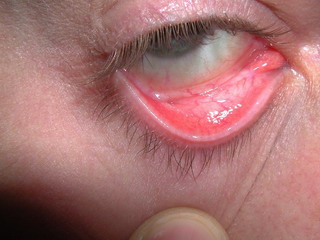 (HealthDay News) -- Dry eye occurs when the eye does not produce enough tears. Dry eyes may sting or burn, feel itchy, irritated, strained or tired. Contact lenses may feel uncomfortable if your eyes are too dry.
Tear production may stop or slow as part of the aging process, according to the U.S. National Library of Medicine. Other causes for dry eye include cold or allergy medications, exposure to the sun, wind, dust and smoke.
To help reduce symptoms of dry eye, the NLM recommends using artificial tears and keeping a humidifier running in the house to keep moisture in the air. You should also rest your eyes and blink frequently, and avoid smoking or exposure to second-hand smoke.
Last reviewed: 08/07/2006 Last updated: 08/07/2006
Health Tip: Does Your Child Have Croup?
(HealthDay News) -- Croup occurs in children when inflammation, usually caused by a virus, affects the voicebox and upper airways. The illness -- actually a group of similar conditions -- is characterized by a barking sound, like that of a seal, when the child cries or coughs.
Initial symptoms may be similar to those of a cold, including runny or stuff nose. Cough and difficulty breathing usually worsen at night or when the child is crying or agitated. According to the Nemours Foundation, croup most often strikes children between 3 months and 5 years of age, usually during winter and early spring. Children who contract croup under age 3 are likely to have the most severe symptoms.
Doctors may prescribe a steroid regimen, which will help reduce the swelling of the voicebox and help your child breathe easier.
Steam treatments, like running a humidifier or putting your child in a steamy bathroom, also may help alleviate symptoms.
Last reviewed: 08/07/2006 Last updated: 08/07/2006
Initial symptoms may be similar to those of a cold, including runny or stuff nose. Cough and difficulty breathing usually worsen at night or when the child is crying or agitated. According to the Nemours Foundation, croup most often strikes children between 3 months and 5 years of age, usually during winter and early spring. Children who contract croup under age 3 are likely to have the most severe symptoms.
Doctors may prescribe a steroid regimen, which will help reduce the swelling of the voicebox and help your child breathe easier.
Steam treatments, like running a humidifier or putting your child in a steamy bathroom, also may help alleviate symptoms.
Last reviewed: 08/07/2006 Last updated: 08/07/2006
Pediatric Brain Trauma Costs $1 Billion Annually
MONDAY, Aug. 7 (HealthDay News) -- Traumatic brain injuries suffered by children place a significant burden on U.S. health resources, costing more than $1 billion in hospital charges each year, a new study finds.
Skull fracture, intracranial bleeding, concussion and shaken baby syndrome are examples of traumatic brain injury (TBI).
The study was conducted by researchers at the Center for Injury Research and Policy (CIRP) in the Columbus Children's Research Institute at Columbus Children's Hospital in Ohio. They analyzed data from the Healthcare Cost and Utilization Project Kids' Inpatient Database, collected from Jan. 1 through Dec. 31, 2000, from 2,784 hospitals in 27 states.
The analysis revealed an estimated 50,658 TBI-associated hospitalizations among children ages 17 and younger in that year, with 15- to 17-year-old patients having the highest hospitalization rates.
"Based on our research, pediatric TBI patients accrue more than $1 billion in total hospital charges annually," study senior author and CIRP director Dr. Gary Smith, said in a prepared statement.
"Injury costs for children are often greater than those for adults because they include acute treatment, long-term rehabilitation and loss of productivity for the parent or guardian. TBIs resulting from unintentional trauma constitute the primary cause of death among U.S. youth and are often the most serious consequences of nonfatal injuries," Smith added.
TBI is one of the top 10 most costly hospital outpatient diagnoses for children, the study said. Preventing TBI is the best way to reduce its impact on hospitals, families and society, the authors noted.
The study was published in the August issue of the journal Pediatrics.
More information
The U.S. National Center for Injury Prevention and Control has more about traumatic brain injury.
Last reviewed: 08/07/2006 Last updated: 08/07/2006
Skull fracture, intracranial bleeding, concussion and shaken baby syndrome are examples of traumatic brain injury (TBI).
The study was conducted by researchers at the Center for Injury Research and Policy (CIRP) in the Columbus Children's Research Institute at Columbus Children's Hospital in Ohio. They analyzed data from the Healthcare Cost and Utilization Project Kids' Inpatient Database, collected from Jan. 1 through Dec. 31, 2000, from 2,784 hospitals in 27 states.
The analysis revealed an estimated 50,658 TBI-associated hospitalizations among children ages 17 and younger in that year, with 15- to 17-year-old patients having the highest hospitalization rates.
"Based on our research, pediatric TBI patients accrue more than $1 billion in total hospital charges annually," study senior author and CIRP director Dr. Gary Smith, said in a prepared statement.
"Injury costs for children are often greater than those for adults because they include acute treatment, long-term rehabilitation and loss of productivity for the parent or guardian. TBIs resulting from unintentional trauma constitute the primary cause of death among U.S. youth and are often the most serious consequences of nonfatal injuries," Smith added.
TBI is one of the top 10 most costly hospital outpatient diagnoses for children, the study said. Preventing TBI is the best way to reduce its impact on hospitals, families and society, the authors noted.
The study was published in the August issue of the journal Pediatrics.
More information
The U.S. National Center for Injury Prevention and Control has more about traumatic brain injury.
Last reviewed: 08/07/2006 Last updated: 08/07/2006
Subscribe to:
Posts (Atom)
Dr. Group's Secret to Health Kit$39.94  Dr. Group's Secret to Health Kit offers simple at-home solutions for cleansing internally and externally thereby reducing toxins, restoring the body's natural healing process, and helping you achieve true health and happiness. |